
Have you ever paused beneath a sprawling banyan or a leafy peepal and sensed there is something sacred about it?
Have you wondered why, for thousands of years, communities in India treat trees as living temples, not just as greenery?
Ancient Indian Tree-Worship is more than ritual: it’s a profound philosophy blending spirituality, ecology, culture, and community.
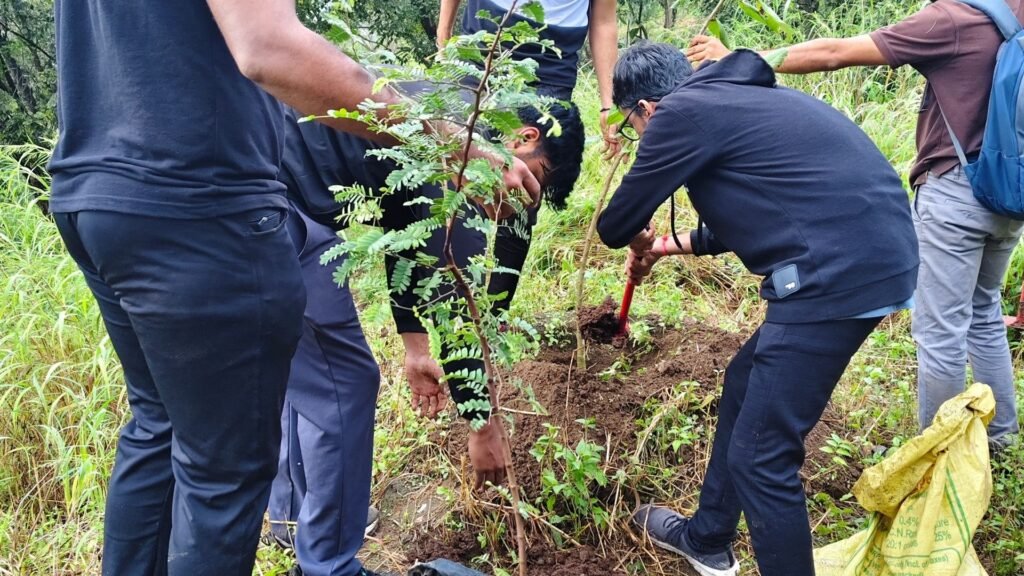
Today, as we look for ways to plant more trees and restore our environment, these ancient traditions offer powerful wisdom.
In this deep‑dive blog, we explore 7 rich and fascinating traditions of Ancient Indian Tree-Worship, traditions that can guide every tree‑planter, urban gardener, and eco‑warrior, especially those partnering with organizations like Nelda Foundation.
What is Ancient Indian Tree‑Worship?

Ancient Indian Tree-Worship is the practice of treating trees as sacred, living beings, not just as part of nature, but as divine protectors, healers, and symbols of life.
This tradition dates back thousands of years and is found in Hindu, Buddhist, and tribal cultures across India.
Instead of simply planting or cutting trees, people would:
- Offer water, flowers, or prayers to them.
- Tie sacred threads around their trunks.
- Protect them as homes of gods or spirits.
Trees like the Peepal, Banyan, Neem, and Bael were considered especially holy. Some were connected to gods like Vishnu or Shiva, while others were known for healing or providing food and shade.
This wasn’t just religious; it was ecological wisdom.
By making trees sacred, communities protected forests, preserved biodiversity, and passed on environmental values through culture.
In simple words, Ancient Indian Tree-Worship taught people to respect, not exploit nature, a mindset we need more than ever today.
The Spiritual Foundation of Tree‑Worship
In Ancient Indian Tree‑Worship, nature was never separate from faith. The cosmos was seen as a living system where humans, animals, rivers, mountains, and trees were interdependent.
Ancient scriptures and traditions describe trees as:
- The abode of gods and celestial beings
- The connectors between heaven and earth
- Symbols of life, fertility, protection, and renewal
Certain trees were directly associated with deities:
- The Peepal tree with Vishnu.
- The Banyan tree with Brahma.
- The Neem tree with healing and protection.
- The Bilva tree with Lord Shiva.
People performed rituals around trees, tied sacred threads, offered water, flowers, and prayers, and circumambulated trees just like temples.
This wasn’t blind worship; it created a social system where cutting or harming trees was morally discouraged, ensuring their protection over generations.
The Ecological Wisdom Behind the Practice
While Ancient Indian Tree‑Worship appears spiritual on the surface, it is deeply ecological at its core.
By assigning sacred value to trees, ancient communities created a cultural mechanism to protect forests without needing formal laws. Trees that were worshipped were rarely cut down. Forest patches known as sacred groves were left undisturbed, preserving biodiversity hotspots.
These sacred groves:
- Protected rare plant species.
- Preserved wildlife habitats.
- Prevented soil erosion.
- Maintained groundwater levels.
- Regulated local climate.
Today, environmental scientists recognize these groves as some of the earliest models of community-based conservation and sustainable forest management.
Trees as Life‑Givers and Healers
In Ancient Indian Tree‑Worship, trees were also revered for their practical contributions to human life.
Many sacred trees had:
- Medicinal value (Neem, Ashoka, Bael).
- Nutritional importance (Mango, Tamarind).
- Environmental benefits (Peepal, Banyan providing oxygen, shade, carbon absorption).
Ayurveda, India’s ancient system of medicine, heavily depended on plants and tree derivatives. By making these trees sacred, society ensured they were protected, propagated, and respected.
In essence, spirituality became a tool for environmental ethics.
The Social and Community Aspect
Ancient Indian Tree‑Worship was never an individual affair. It was deeply woven into community life.
Common practices included:
- Community gatherings under sacred trees.
- Festivals associated with specific trees.
- Village-level protection of sacred groves.
- Oral traditions passing down the importance of trees.
Trees became central to social life, places where elders met, disputes were resolved, stories were told, and decisions were made.
They became living centres of community.
This collective attachment ensured long-term protection and care, a concept modern environmentalists now call community-driven conservation.
The Philosophical Meaning
On a deeper philosophical level, Ancient Indian Tree‑Worship reflects the idea that humans are not owners of nature, but caretakers of it.
It teaches:
- Respect over exploitation.
- Coexistence over domination.
- Gratitude over entitlement.
It views every tree as a link between the past and future, between ancestors and unborn generations.
7 Fascinating Ancient Indian Tree-Worship Traditions We Can Learn From
1. The Sacredness of the Peepal Tree, Tree of Enlightenment

The Peepal tree (Ficus religiosa), also known as the Bodhi tree, is one of the most revered trees in Ancient Indian Tree-Worship.
It’s considered sacred across Hinduism, Buddhism, and Jainism.
In Hindu belief, it’s said to house all three principal deities, Brahma (roots), Vishnu (trunk), and Shiva (leaves).
That’s why it’s worshipped during rituals like Vat Purnima, and cutting it down is avoided even today.
In Buddhism, the Peepal tree is where Gautama Buddha attained enlightenment, making it a symbol of peace, wisdom, and spiritual awakening.
Ecologically, the Peepal is a powerhouse; it releases oxygen even at night, supports biodiversity, and helps prevent soil erosion.
Its bark and leaves are also used in Ayurveda for healing.
Worship practices include offering water, tying sacred threads, and walking around the tree in prayer. These traditions not only show reverence but help protect the tree for generations.
Takeaway: Planting a Peepal isn’t just good for the planet; it’s a way to carry forward ancient wisdom, blending ecology with spirituality.
2. The Mighty Ficus benghalensis, Banyan Tree: Shelter, Longevity & Community Anchor

The Banyan tree (Ficus benghalensis) is one of the most iconic symbols of Ancient Indian Tree-Worship.
Known for its massive canopy and aerial roots, it represents immortality, resilience, and shelter.
In Hinduism, the Banyan is considered sacred to Lord Vishnu and symbolizes eternal life due to its ever-expanding structure.
It’s often called Kalpavriksha, the wish-fulfilling tree, and is a focal point during rituals like Vat Savitri, where married women pray under its branches for their husband’s well-being.
Traditionally, Banyan trees served as natural gathering spots, village meetings, storytelling sessions, and spiritual discourses all happened beneath their shade.
They became the heart of rural communities, offering both physical shelter and cultural bonding.
Environmentally, the Banyan is a keystone species. It provides habitat for birds, insects, and animals, stabilizes soil, and offers dense shade in hot climates.
Takeaway: Planting a Banyan tree means more than adding greenery; it’s creating a space for life, connection, and continuity. It’s a living monument of culture, community, and care.
3. Sacred Groves – The Original Community Forests Protected by Belief

Sacred groves are forest patches traditionally protected by communities due to religious and cultural beliefs. Found across India, from Kerala’s kaavus to Meghalaya’s Law Kyntangs, they are among the oldest examples of community-led conservation.
In Ancient Indian Tree-Worship, these groves were seen as the abode of local deities or ancestral spirits.
Cutting trees, hunting animals, or disturbing the land was strictly taboo, not by law, but by faith.
These groves preserved rich biodiversity, including rare medicinal plants, birds, and pollinators.
They served as natural water catchments, protected soil, and maintained local climate balance, long before “climate action” was a global concern.
More than ecological zones, sacred groves were cultural spaces. Rituals, festivals, and oral traditions kept the connection alive across generations.
Takeaway: Reviving the sacred grove concept today, even in urban spaces, can protect biodiversity, promote sustainability, and rebuild our lost relationship with nature.
Groups like Nelda Foundation help communities reconnect with this ancient model of eco-spiritual balance.
4. Planting Medicinal & Utility Trees – The “Green Pharmacy” Rooted in Tree‑Worship

In Ancient Indian Tree-Worship, trees were not just sacred, they were healers, protectors, and providers.
Many of the most revered trees also had powerful medicinal and practical uses, forming the backbone of India’s ancient “green pharmacy.”
Trees like:
- Neem (Azadirachta indica) – known for its antibacterial and antifungal properties.
- Bael (Aegle marmelos) – used for digestive health and spiritual rituals.
- Ashoka (Saraca asoca) – valued for women’s health in Ayurveda.
- Tulsi, Mango, and Indian Gooseberry (Amla) – used in daily rituals and healing practices.
By worshipping these trees, communities ensured their protection and propagation.
Rituals around them weren’t just spiritual, they were a way to preserve biodiversity and ensure public health.
Even today, these trees offer shade, oxygen, fruit, herbs, and natural remedies, making them ideal for eco-restoration projects.
Takeaway: Planting medicinal and utility trees revives a practical tradition of healing through nature.
With Nelda Foundation, these trees aren’t just planted, they’re protected, nurtured, and made accessible for generations to come.
5. Trees as Living Bridges – Spiritual Symbolism and Eco-Consciousness

In Ancient Indian Tree-Worship, trees were more than just plants, they were living bridges between humans and the divine.
Many traditions viewed trees as sentient beings, capable of witnessing, blessing, and even suffering.
Trees like Peepal and Banyan were seen as cosmic connectors, linking earth and sky.
Rituals such as offering water, tying sacred threads, or walking around trees in prayer weren’t just symbolic, they reflected a deep spiritual eco-consciousness.
This belief system instilled values of:
- Respect over exploitation
- Coexistence over control
- Gratitude over consumption
It taught people to live in harmony with nature, not in dominance over it, a principle that resonates deeply in today’s climate-challenged world.
Takeaway: When you plant a tree with awareness, you’re not just adding greenery, you’re honoring a sacred bond.
Nelda Foundation helps modern communities reconnect with this timeless reverence, one sapling at a time.
6. Community, Culture and Collective Conservation , The Social Fabric Behind Tree‑Worship

Ancient Indian Tree-Worship was never a solo practice; it was deeply woven into community life and cultural identity.
Villages protected trees and groves not just out of fear or faith, but because they were shared symbols of heritage, unity, and survival.
Sacred trees became:
- Gathering spaces for festivals and rituals
- Meeting points for elders and storytellers
- Living landmarks that bonded people across generations
The protection of sacred groves was often upheld by oral traditions, taboos, and rituals, not legal systems.
This belief-based conservation created a self-sustaining model of environmental care powered by shared values and respect.
Even today, many communities preserve sacred trees because they feel emotionally and spiritually responsible for them.
Takeaway: Tree-worship thrives when rooted in community.
Nelda Foundation taps into this same spirit, encouraging people to plant and protect trees together, turning plantations into living cultural assets.
7. Ancient Indian Tree‑Worship as Blueprint for Modern Plantation, Ecology Revival & Climate Action

The wisdom behind Ancient Indian Tree-Worship offers more than spiritual value, it provides a time-tested blueprint for today’s ecological challenges.
Long before climate change entered global discourse, Indian communities were preserving biodiversity, improving air and water quality, and nurturing trees through belief, ritual, and respect.
By:
- Sacralizing trees, they ensured long-term protection.
- Creating sacred groves, they maintained biodiversity hotspots.
- Worshipping utility trees, they secured health and food.
- Involving the community, they made conservation a shared duty.
This ancient model aligns seamlessly with modern environmental goals , sustainability, reforestation, and climate resilience.
Today, when we plant sacred and medicinal trees, protect groves, and engage communities, we’re not just fighting pollution, we’re reviving a culture that lived in harmony with nature.
Takeaway: Ancient Indian Tree-Worship isn’t outdated, it’s a sustainable, spiritual, and scalable solution.
With Nelda Foundation, this timeless approach is being brought back to life, one tree, one grove, one community at a time.
Why Ancient Indian Tree‑Worship Matters to You, the Tree-Planter, Eco‑Warrior, Community Member?
- Planting becomes more than an act; it becomes a ritual, a heritage, a living philosophy.
- Trees become part of your identity, neighborhood, ecosystem, not just isolated saplings.
- Mixed plantations (sacred + medicinal + utility) mean you’re planting for biodiversity, health, shelter, and future resources.
- Community groves build shared responsibility, increasing survival chances, fostering local stewardship, and creating micro‑ecosystems.
- Through every planted tree, you reconnect with ancient wisdom, ecological balance, and cultural roots , bridging past and future.
If you plant a tree today , under the guidance of heritage and mindfulness, you’re not just greening tomorrow.
About Nelda Foundation, Planting Roots, Reviving Tradition, Growing Futures

At Nelda Foundation, we believe every sapling can bridge centuries. Every tree planted is a step toward ecological balance, community wellness, and cultural revival.
When you plant with Nelda Foundation:
- You’re not just planting , you’re reviving Ancient Indian Tree‑Worship values.
- You contribute toward lasting ecological impact: cleaner air, biodiversity, soil stability, water recharge.
- You become part of a community , caring, nurturing, and growing together with the trees.
- Your planting isn’t one‑time; it’s planned, mindful, and future-focused, ensuring growth and survival for decades.
Together, we don’t just plant trees.
Conclusion: Bringing Ancient Wisdom to Modern Roots
Ancient Indian Tree-Worship is more than a glimpse into the past; it’s a living philosophy that holds the answers to some of today’s most pressing environmental challenges.
Through reverence, ritual, and community care, our ancestors protected trees not just as resources, but as sacred allies in the journey of life.
By planting trees today , whether a Peepal in a city, a Banyan in a village, or a grove with your community, you’re not just creating green cover.
You’re reclaiming a culture of respect, healing, and sustainability.
At Nelda Foundation, we believe every tree planted is a seed of change, rooted in tradition, growing with intention.
Our mission is to revive these ancient practices through modern tree plantation efforts that are community-driven, culturally respectful, and ecologically impactful.
Let’s not just plant trees. Let’s restore the relationship between people and the planet , just like our ancestors did.
Join hands with Nelda. Plant a legacy. Grow a future.
FAQs
Q. What kinds of trees should I plant if I want to follow Ancient Indian Tree‑Worship traditions?
A: You can start with sacred and revered species such as Peepal (Ficus religiosa), Banyan (Ficus benghalensis), Neem (Azadirachta indica), Bael (Aegle marmelos), Ashoka, fruit trees, and medicinal/utility trees. Including a mix ensures ecological balance, long-term survival, and practical benefits (shade, food, medicinal use).
Q. What is a “sacred grove”? Can one create a modern version even in a city or small colony?
A: A sacred grove is a community‑protected forest or group of trees dedicated to a deity or ancestral spirit, where felling or harming trees is taboo. Yes — by designating a shared green area (even small), planting a mix of sacred/medicinal trees, involving neighbours or local community groups (e.g., via Nelda Foundation), you can recreate that spirit in urban or peri‑urban settings.
Q. Isn’t tree worship just superstition? Does it really help environment or community?
A: Not at all. Ancient tree‑worship combined spiritual reverence with practical ecological wisdom. Sacred trees and groves have historically conserved biodiversity, prevented soil erosion, supported water recharge, provided medicinal plants, and offered long-term ecological benefits. Modern ecology recognizes such groves as biodiversity hotspots and valuable carbon sinks.