
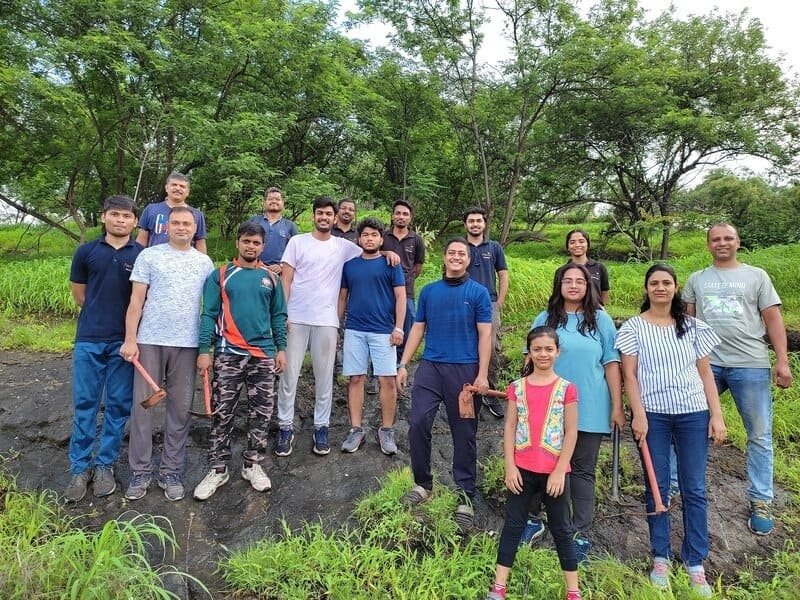
Nature-Based Solutions to Reduce Heat Islands in Pune
Have you ever stepped out into Pune’s streets in April or May and felt like the city was trapping heat from every direction?
Have you wondered why some parts of Pune feel several degrees hotter than nearby green neighborhoods?
What if the answer to this rising urban heat crisis is not more concrete, machines, or air conditioners, but nature itself?
Nature-Based Solutions to Reduce Heat Islands in Pune are among the most practical and cost-effective ways to cool the city, improve public health, and restore ecological balance.
As Pune expands rapidly, open spaces are disappearing, tree cover is shrinking, and heat-retaining surfaces like asphalt and concrete are multiplying.
The result is the Urban Heat Island effect, where cities become significantly hotter than surrounding rural areas.
In this blog, we will explore 10 Nature-Based Solutions to Reduce Heat Islands in Pune.
You will learn how trees, wetlands, green roofs, and other ecological interventions can lower temperatures, reduce energy use, improve air quality, and make Pune more livable.
We will also show how citizens can participate through the Nelda and contribute directly to cooling the city.
Why It Matters to Implement Nature-Based Solutions to Reduce Heat Islands in Pune
Nature-Based Solutions to Reduce Heat Islands in Pune are no longer optional.
They are essential for protecting human health, conserving water, reducing electricity demand, and making the city resilient to climate change.
Pune has experienced increasing summer temperatures, reduced tree cover, and more frequent heatwaves in recent years.
By restoring natural systems, the city can cool itself while delivering multiple environmental and social benefits.
- Reduces local temperatures in densely built neighborhoods
- Improves air quality and lowers dust pollution
- Decreases electricity consumption for cooling
- Supports groundwater recharge and soil health
- Protects vulnerable populations during heatwaves
- Increases biodiversity in urban areas
- Reduces stormwater runoff and flooding
- Enhances mental and physical well-being
- Creates more comfortable public spaces
- Strengthens Pune’s long-term climate resilience
Let us explore the 10 most effective Nature-Based Solutions to Reduce Heat Islands in Pune.
10 Nature-Based Solutions to Reduce Heat Islands in Pune
1. Large-Scale Urban Tree Plantation
Planting native trees is one of the most effective Nature-Based Solutions to Reduce Heat Islands in Pune.
Trees provide shade, cool the air through transpiration, and reduce the temperature of roads, buildings, and open spaces.
A well-shaded street can feel dramatically cooler than one exposed to direct sunlight.
Native species such as Banyan, Peepal, Neem, and Karanj are especially valuable because they are adapted to local conditions.
- Provides shade to roads, buildings, and pedestrians
- Lowers surface and air temperatures
- Improves air quality by filtering pollutants
- Supports birds and insects
- Increases carbon sequestration
2. Protecting Existing Mature Trees
Planting new saplings is important, but preserving large existing trees provides immediate cooling benefits.
Mature trees offer far greater canopy coverage than young trees and can reduce surrounding temperatures substantially.
Protecting them should be a top priority in development planning.
- Delivers instant shade and cooling
- Prevents loss of established biodiversity
- Reduces replacement costs
- Maintains ecological stability
- Preserves heritage landscapes
3. Creating Urban Forests
Urban forests are dense clusters of native trees planted in designated areas such as hills, institutional campuses, and public land.
Sites like Hanuman Tekdi demonstrate how concentrated restoration can transform degraded spaces into cooling zones.
- Creates large pockets of cooler air
- Supports biodiversity and soil regeneration
- Improves groundwater recharge
- Provides recreational spaces
- Restores degraded land
4. Green Roofs
Green roofs involve growing vegetation on rooftops.
They insulate buildings, reduce rooftop temperatures, and absorb rainwater.
In areas with limited ground space, rooftops can become productive green surfaces.
- Lowers indoor temperatures
- Reduces energy bills
- Extends roof life
- Absorbs rainwater
- Supports pollinators
5. Vertical Gardens and Green Walls
Vegetation on walls helps cool building surfaces and reduce reflected heat.
They are particularly useful in commercial areas where horizontal space is limited.
- Lowers wall surface temperatures
- Improves aesthetics
- Filters air pollutants
- Reduces noise
- Maximizes limited space
6. Restoring Wetlands and Water Bodies
Lakes, ponds, and wetlands naturally cool surrounding areas through evaporation.
Protecting and restoring these ecosystems improves both urban temperatures and biodiversity.
- Creates cooling microclimates
- Recharges groundwater
- Supports birds and aquatic life
- Reduces flooding
- Improves water quality
7. Rain Gardens and Bioswales
These landscaped depressions capture stormwater and allow it to soak into the ground.
They combine vegetation with water management to reduce heat and runoff.
- Increases soil moisture
- Supports native plants
- Reduces flooding
- Filters pollutants
- Adds neighborhood greenery
8. Permeable Green Surfaces
Replacing bare concrete with grass, mulch, and permeable landscapes reduces heat retention and improves infiltration.
- Lowers surface temperatures
- Reduces runoff
- Supports root growth
- Recharges groundwater
- Improves soil structure
9. Native Shrubs and Groundcover
Cooling does not depend on trees alone.
Lower vegetation protects soil, reduces evaporation, and supports biodiversity.
- Prevents exposed hot soil
- Conserves moisture
- Attracts beneficial insects
- Reduces erosion
- Complements tree plantation
10. Community-Led Greening Initiatives
Sustainable cooling requires citizen participation.
Residents, students, and companies can plant and maintain trees, adopt green spaces, and support restoration efforts.
- Builds long-term stewardship
- Increases the survival rates of planted trees
- Creates environmental awareness
- Strengthens communities
- Delivers measurable local impact
How Pune Residents Can Support Nature-Based Solutions
Want to help cool Pune naturally?
Here are practical ways to get involved.
- Join local tree plantation and maintenance drives
- Protect mature trees in your neighborhood
- Sponsor trees through online donation programs
- Encourage green roofs and native landscaping
- Volunteer with environmental organizations
- Participate in lake and hill restoration efforts
- Advocate for greener urban planning
How Nelda Foundation Helps Reduce Heat Islands in Pune
Nelda Foundation is a Pune-based environmental non-profit dedicated to making the world greener than we found it.
The organization conducts weekly tree plantation and maintenance drives, especially at Hanuman Tekdi, and works toward the long-term goal of helping plant one billion trees across India.
Through its structured volunteer programs, donation opportunities, and CSR partnerships, Nelda Foundation enables citizens to contribute directly to Nature-Based Solutions to Reduce Heat Islands in Pune.
- Weekly tree plantation and maintenance drives
- Native species restoration
- Volunteer opportunities for students and families
- Online tree sponsorship programs
- Corporate CSR collaborations
- Long-term ecological stewardship
The Future of Cooler Cities Starts with Nature
Pune stands at a critical point in its development. As new roads, buildings, and residential projects continue to reshape the city, the choices made today will determine whether future generations inherit a hotter, harsher urban environment or a cooler, healthier, and more resilient one.
Nature-Based Solutions to Reduce Heat Islands in Pune offer a practical path forward because they address multiple challenges at once. A single tree can provide shade, absorb carbon, support biodiversity, improve air quality, and create a more comfortable space for people.
When these efforts are scaled across neighborhoods, campuses, corporate parks, and public lands, they transform the city into a network of living infrastructure that works continuously to protect both people and the environment.
Citizens, educational institutions, businesses, and policymakers all have an important role to play.
Students can volunteer for tree plantation drives, housing societies can protect existing trees, companies can support large-scale urban greening through CSR initiatives, and local authorities can integrate ecological planning into future development.
By treating nature as essential infrastructure rather than decorative landscaping, Pune can reduce extreme heat while building a city that is more sustainable, beautiful, and livable for everyone.
Final Thoughts
Nature-Based Solutions to Reduce Heat Islands in Pune offer a practical and powerful way to address one of the city’s most pressing environmental challenges.
Trees, wetlands, green roofs, and community-led restoration can cool neighborhoods, reduce energy use, protect biodiversity, and improve quality of life.
The most effective solution is often the simplest: work with nature rather than against it.
If more residents, institutions, and businesses take action, Pune can become cooler, healthier, and more resilient for future generations.
To volunteer, donate, or support ongoing restoration efforts, visit Nelda Foundation.