
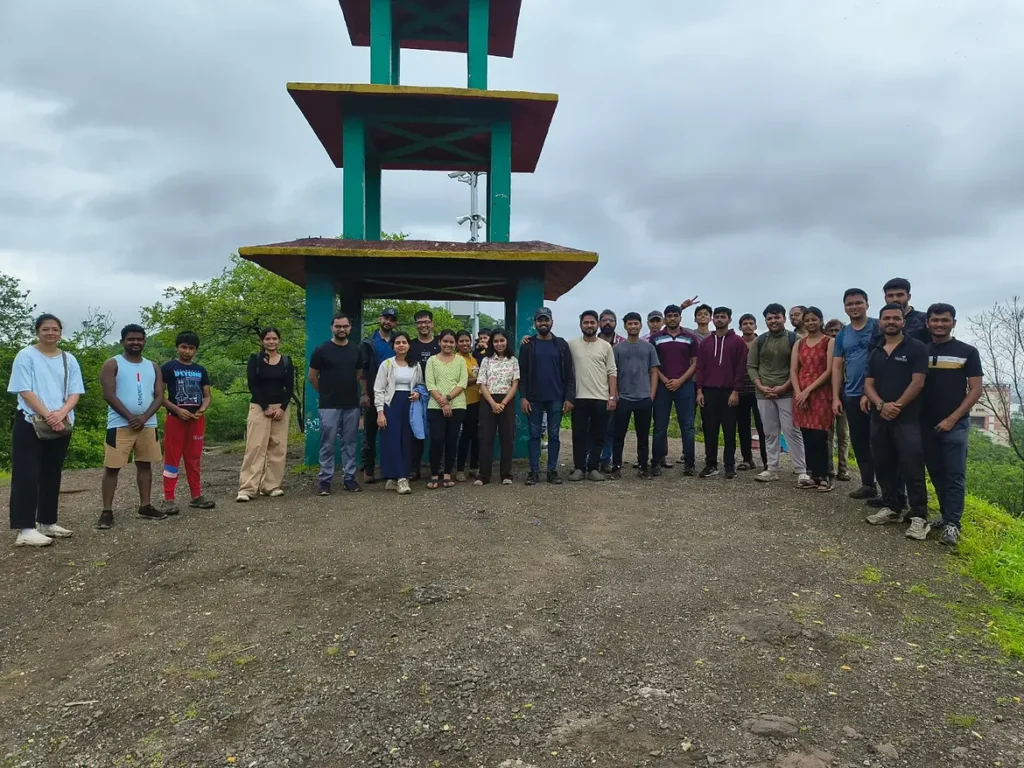
If planting trees is good for the environment, why doesn’t Nelda plant new saplings throughout the entire year?
Why wait for the monsoon?
At Nelda Foundation, our approach to tree plantation has always been about more than the number of saplings we put into the ground. We want the trees we plant to survive, establish themselves, and eventually become part of a healthier ecosystem.
That means understanding when to plant is just as important as knowing what and where to plant.
For us, the monsoon is the primary tree plantation season.
There are several practical reasons behind this decision.
Rainfall provides young saplings with naturally available water, the soil retains more moisture, temperatures are generally more favourable than during the peak summer months, and volunteers are often more interested in participating in plantation activities during the rainy season.
There is another important practical consideration at Hanuman Tekdi.
We do not currently have a dedicated sprinkler or drip irrigation system covering our plantation areas. Planting hundreds of new saplings during dry months would therefore create a much greater need for manual watering at exactly the time when those newly planted saplings require consistent moisture.
The monsoon gives us an opportunity to work with the natural seasonal cycle.
But our work certainly does not end when the rains stop.
We plant primarily during the monsoon, but we nurture and maintain our trees throughout the year.
That difference is central to the way Nelda works.
Why Does Nelda Prefer Planting During the Monsoon?
Planting a sapling can happen in a matter of minutes.
Establishing a healthy tree can take years.
When a young sapling is transplanted into a new environment, it needs suitable conditions to begin establishing its root system. Adequate moisture during this early period is particularly important.
The monsoon naturally creates conditions that make this process more practical.
Instead of immediately depending entirely on manual watering, young saplings can benefit from rainfall and moist soil during their initial growth period.
For an organisation working with volunteers and maintaining a large plantation area, that makes a significant difference.
Here are some of the main reasons we concentrate our plantation activities during the monsoon.
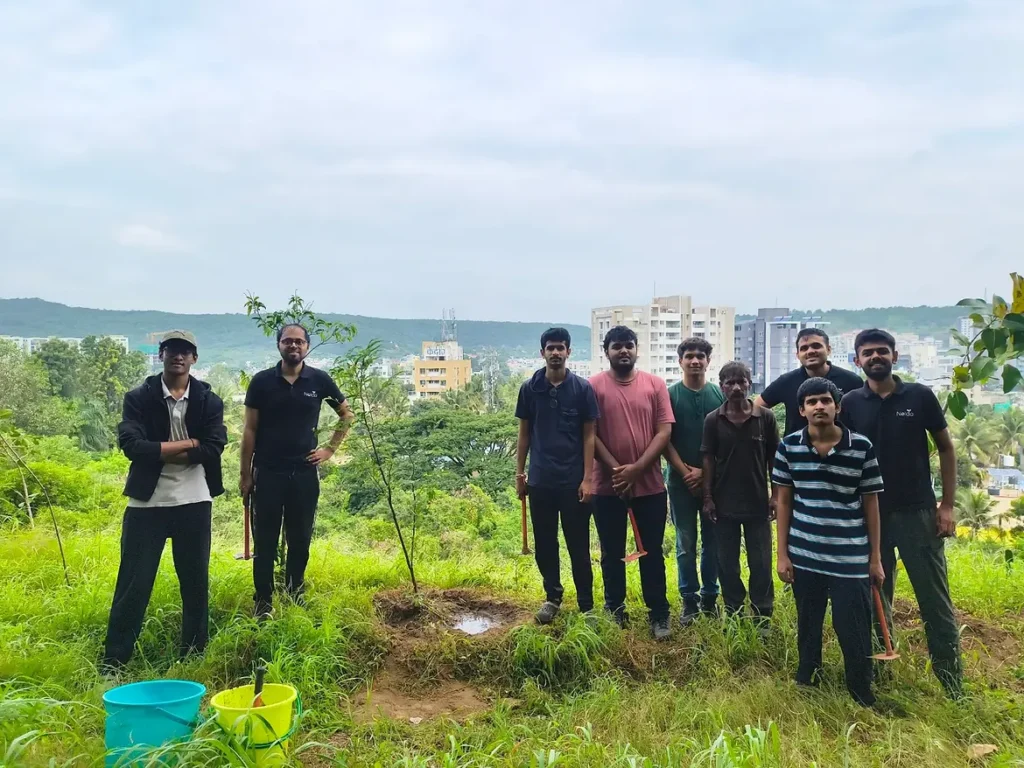
1. Rain Provides a Natural Source of Water
Water is one of the most important requirements for newly planted saplings.
During the monsoon, rainfall provides a regular natural source of water that helps keep the surrounding soil moist.
This reduces the immediate dependence on manual watering.
At Hanuman Tekdi, we do not currently have an extensive drip irrigation or sprinkler system covering the plantation area. If hundreds of new saplings were planted during the dry season, each one would require considerably more manual attention to receive sufficient water.
During the monsoon, nature helps us with that responsibility.
Rainfall allows us to plant more easily while giving young saplings better access to the moisture they need during their early establishment.
2. Moist Soil Creates Better Planting Conditions
Anyone who has participated in a plantation drive knows that soil conditions can make a major difference.
Dry and compact soil can be difficult to work with.
During the monsoon, the ground naturally becomes softer and retains more moisture.
This makes preparing the ground and planting saplings more practical for volunteers while also creating a more suitable environment for newly planted roots.
Moist soil can remain around the roots instead of drying immediately after planting.
For Nelda, this means the season naturally supports both the physical process of plantation and the early establishment of the sapling.
3. Young Saplings Face Less Immediate Water Stress
Imagine planting a young sapling during one of Pune’s hottest and driest periods.
From the moment it enters the ground, maintaining sufficient moisture becomes a major challenge.
The plant is already adjusting to a new location while simultaneously dealing with heat and limited natural water availability.
Planting during the monsoon gives saplings a more favourable starting point.
Regular rainfall and moist soil can reduce immediate water stress while giving roots time to establish before the dry season arrives.
By the time summer approaches, the sapling has ideally already spent several months adapting to its environment.
This does not mean the tree no longer requires care.
It simply means we have given it a stronger beginning.
4. We Don’t Have Drip Irrigation or Sprinklers Across the Plantation
This is one of the most practical reasons behind Nelda’s seasonal approach.
Large-scale plantation requires more than land and saplings.
It also requires a realistic plan for water.
A dedicated drip irrigation system can deliver water directly to plants, while sprinkler systems can help cover larger areas.
At present, our plantation work at Hanuman Tekdi does not rely on these systems across the site.
That means much of the watering and maintenance work requires active effort from our team and volunteers.
Planting during the monsoon allows rainfall to support the newly planted saplings during the period when their water requirements are particularly important.
Instead of trying to artificially recreate rainy-season conditions throughout the year, we choose to work with the season.
5. Water Is More Easily Available During the Monsoon
It is easy to say, “Just water the trees.”
Doing that consistently for hundreds of saplings spread across a large outdoor area is a very different challenge.
Water availability and transportation have to be considered when planning any responsible plantation programme.
During the monsoon, rainfall significantly reduces this burden.
Natural rainfall reaches the plantation area without requiring volunteers to manually deliver the same quantity of water to every newly planted sapling.
This allows available resources and volunteer effort to be used more effectively.
Once the monsoon ends, maintenance becomes increasingly important, and watering activities can be prioritised according to the needs of the existing trees.
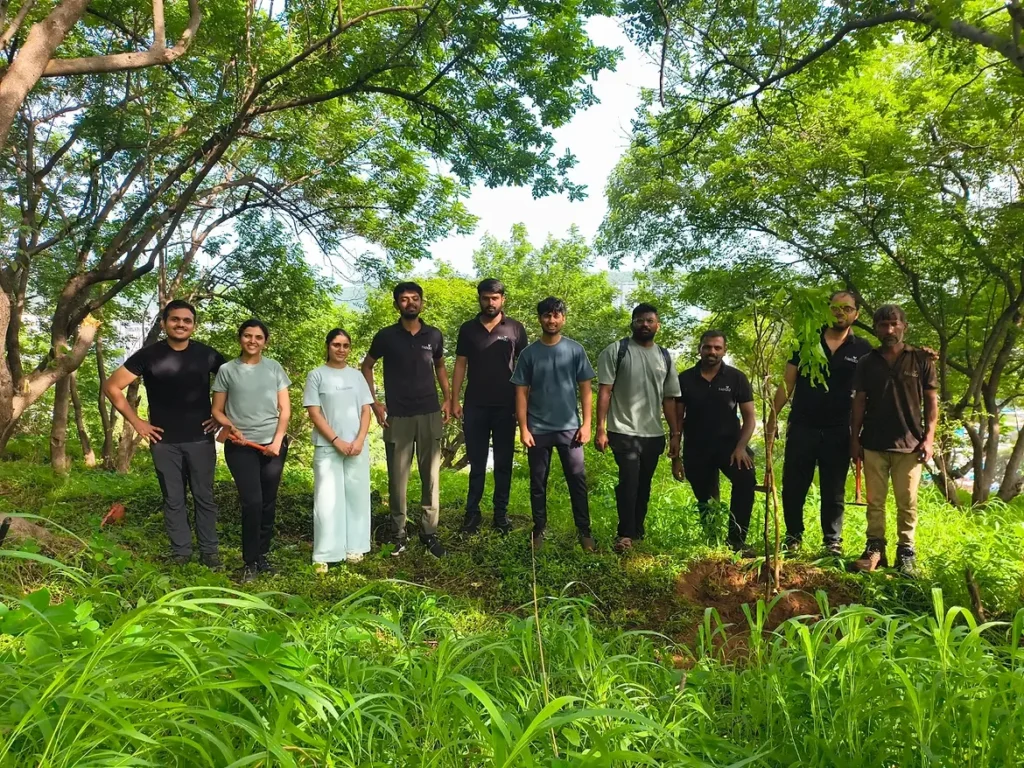
6. Monsoon Naturally Creates More Interest in Tree Plantation
Environmental work is not only about trees.
It is also about people.
The monsoon is traditionally associated with greenery, planting, farming, and renewal. As the landscape becomes greener and temperatures become more comfortable, people naturally become more interested in plantation activities.
This creates an important opportunity for Nelda.
More interest means more people can experience environmental volunteering first-hand.
Someone may initially come simply because they want to plant a tree during the monsoon.
But during that experience, they can also learn why maintenance matters, why trees require long-term care, and why plantation should not be treated as a one-day activity.
People interested in participating can volunteer with Nelda and join our regular activities at Hanuman Tekdi.
The sapling may be what brings someone to Nelda.
The experience can be what inspires them to continue.
7. The Monsoon Helps Us Bring More People Together
Nelda’s larger vision has always been to help people plant and grow a billion trees in India by 2041.
We cannot achieve that by trying to plant every tree ourselves.
We need people.
Plantation drives give us an opportunity to introduce more individuals, families, students, professionals, and organisations to environmental action.
The monsoon becomes an ideal season for creating those experiences.
When more people participate, the impact goes beyond the saplings planted during a particular event.
A volunteer can take what they learn back to their family.
A student can introduce the idea at college.
An employee can encourage their organisation to participate.
Someone may decide to plant and care for trees within their own neighbourhood.
That multiplying impact is essential to Nelda’s long-term mission.
Why Hanuman Tekdi Works for Our Plantation Model
Our approach is also closely connected with where we work.
Hanuman Tekdi has been central to Nelda’s journey since our first public event in June 2016.
Its location on S.B. Road makes it relatively accessible for volunteers coming from different areas of Pune, allowing us to bring people together consistently.
Nelda also has the required permissions to conduct its activities at the location.
Rather than continuously moving from one plantation location to another simply to increase our numbers, Hanuman Tekdi gives us an opportunity to return to the same ecosystem again and again.
We can plant.
We can observe.
We can maintain.
And volunteers can actually see what happens to the trees they helped put into the ground.
That long-term relationship with the location is an important part of our philosophy.
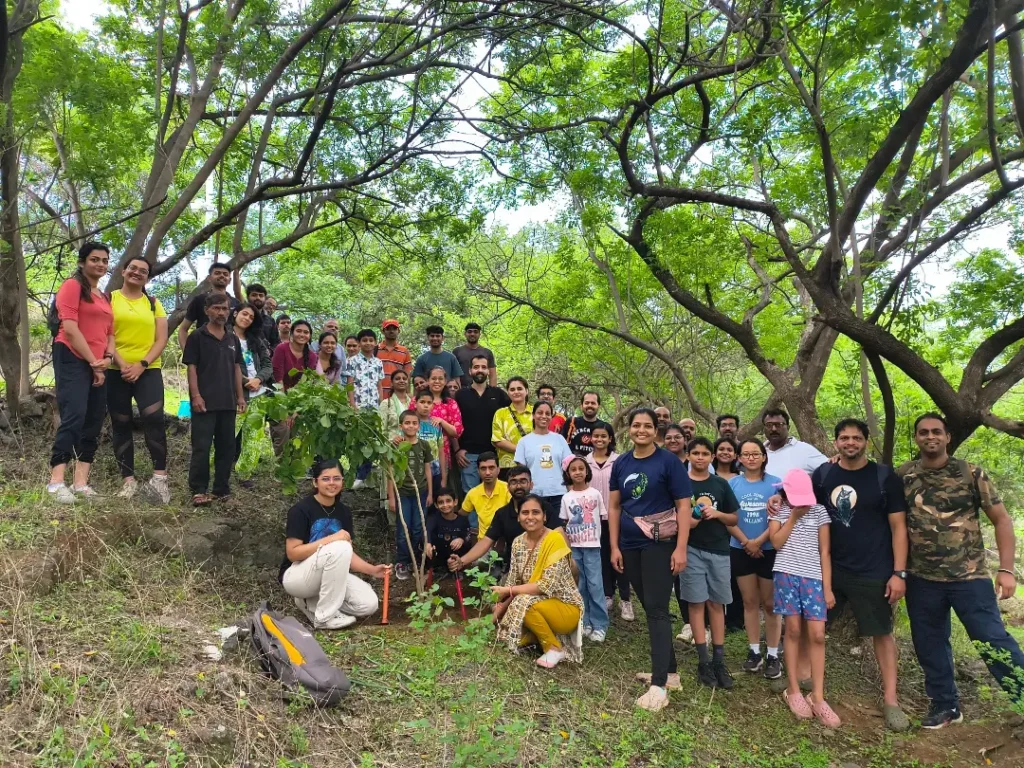
Planting Happens in the Monsoon. Caring Happens All Year.
This is perhaps the most important distinction.
Choosing the monsoon as our main plantation season does not mean Nelda is active only during the rainy months.
Plantation is seasonal.
Environmental responsibility is year-round.
Once the monsoon ends, the trees still need us.
As temperatures change and the soil becomes drier, maintenance becomes increasingly important.
Nelda’s volunteers continue working on activities such as:
- Watering trees
- Removing weeds
- Monitoring tree health
- Maintaining plantation areas
- Providing suitable nutrients when required
- Protecting vulnerable saplings
- Preparing areas for future plantation
- Supporting trees through seasonal changes
Nelda’s website describes this year-round nurturing as a core part of its approach, including providing sufficient water during summer and maintaining planted trees over time.
This is why we believe plantation numbers alone cannot tell the complete story.
The real question is not simply:
How many saplings did you plant?
It is also:
What happened to those saplings afterwards?
Why We Don’t Plant Just to Increase Our Numbers
Large plantation numbers can sound impressive.
But Nelda’s objective is not to plant trees simply so that we can report a larger number at the end of the year.
Every additional sapling creates an additional responsibility.
It needs water.
It needs monitoring.
It may need protection.
And it needs time to become established.
Planting thousands of additional saplings without having the resources to maintain them would not align with our philosophy.
We would rather work at a scale where we can continue returning to the trees and give them the attention they require.
That is also why our annual plantation goals are connected to our maintenance capacity.
Plant responsibly. Maintain consistently. Grow sustainably.
What Happens After the Monsoon?
When the rain stops, another phase of Nelda’s work begins.
The focus gradually shifts from new plantation towards nurturing what has already been planted.
Young trees that received natural rainfall during the monsoon now need to continue adapting to changing conditions.
Our volunteers keep returning to support them.
According to Nelda’s current volunteer information, activities take place at Hanuman Tekdi every Sunday at 7:30 AM, including both tree plantation and maintenance work.
This weekly consistency allows us to respond to the needs of the plantation throughout different seasons.
Summer watering may require greater attention.
At other times, weed removal, soil care, monitoring, and general maintenance may become priorities.
The activity changes.
The commitment does not.
Why Every Sunday Matters
A tree does not know whether it was planted on World Environment Day.
It does not know whether hundreds of people attended the plantation event.
It only responds to the conditions around it.
Does it have enough water?
Are its roots establishing?
Is it being protected?
Does someone notice when it needs attention?
That is why Nelda’s Sunday activities matter so much.
Every Sunday at 7:30 AM gives volunteers another opportunity to return to Hanuman Tekdi and care for the ecosystem we are building together.
People can see trees they planted months or even years earlier.
They can understand how slowly environmental restoration happens.
And they can experience the difference between planting a sapling and actually nurturing a tree.
Our Goal Is to Work With Nature, Not Against It
Nature already has rhythms.
There are seasons for rainfall, growth, flowering, dormancy, and renewal.
Responsible environmental work means understanding those cycles rather than ignoring them.
For Nelda, concentrating new plantation during the monsoon is a practical example of working with those natural conditions.
We use the season when rainfall and soil moisture naturally support plantation.
Then we use the rest of the year to nurture, maintain, protect, and prepare.
It may mean that we do not plant new saplings every month of the year.
But planting throughout the year has never been the objective.
Growing trees is the objective.
How You Can Be Part of the Plantation Journey
The monsoon is a great time to experience tree plantation first-hand.
You can join Nelda’s volunteers at Hanuman Tekdi, participate in a plantation activity, and learn what goes into giving a young sapling the right start.
But your involvement does not have to end when the rains do.
You can return for maintenance activities, encourage friends and family to participate, spread awareness about responsible plantation, or support our work in other ways.
Those unable to participate physically can also donate a tree and contribute towards Nelda’s plantation initiatives.
The larger purpose is to help more people understand that environmental responsibility is not limited to a season.
The monsoon may be when we plant.
The responsibility continues throughout the year.
Final Thoughts
So, why does Nelda plant trees mainly during the monsoon?
Because we want to give our saplings a practical and environmentally suitable start.
Rainwater is naturally available.
The soil contains more moisture.
Young trees face less immediate water stress.
Plantation activities become more practical for volunteers.
And because we do not currently have a dedicated drip irrigation or sprinkler system across our plantation areas, working with natural rainfall helps us use our available resources more responsibly.
The monsoon also brings people together.
It gives us an opportunity to introduce more volunteers to tree planting and, more importantly, teach them what happens after a sapling enters the ground.
Because planting is only the beginning.
When the rains disappear, Nelda remains.
Every Sunday, our volunteers return.
We water.
We maintain.
We monitor.
We nurture.
And then, when the next monsoon arrives, we plant again.
Plant in the right season. Nurture throughout the year. Give every sapling the opportunity to become a tree.
That is why the monsoon matters to Nelda.