
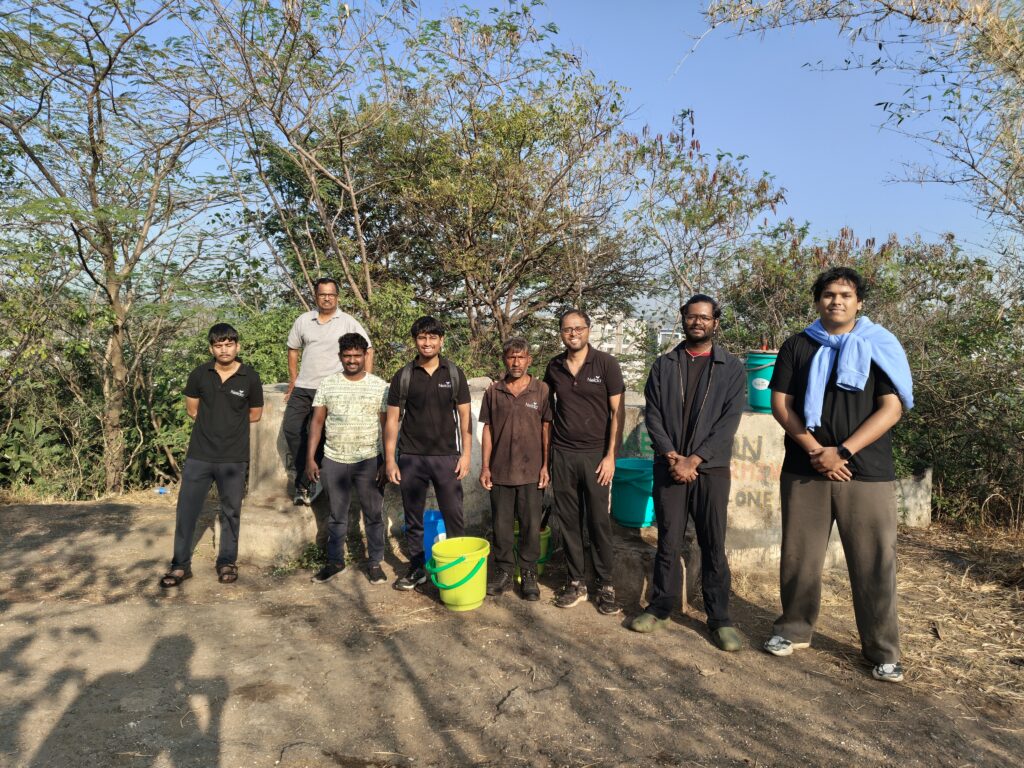
The monsoon may be the most favourable season for planting trees, but the responsibility of growing them continues throughout the year. Once the rains begin to recede, the focus shifts towards ensuring that young saplings receive enough water, nourishment, and protection to survive the changing weather conditions.
At Hanuman Tekdi in Pune, Nelda Foundation’s work does not stop after the plantation season. With hundreds of saplings planted and maintained over the years, the winter months bring an important phase of ongoing care. Regular watering, monitoring tree health, removing weeds, and nurturing young plants become essential activities during this period.
Over the years, Nelda has also developed water storage infrastructure at Hanuman Tekdi, including water tanks that help make water available for plantation maintenance. These tanks are an important part of the effort to care for trees when natural rainfall is limited. Building and maintaining this infrastructure also involves costs that form part of the long-term responsibility of maintaining a plantation.
For Nelda, planting a sapling is the beginning of a commitment. The real environmental impact comes from helping it survive, grow, and eventually become a healthy tree.
Why Winter Maintenance Is Important for Young Trees
The end of the monsoon brings a noticeable change in environmental conditions. Rainfall becomes less frequent, soil moisture gradually decreases, and the plantation area begins to experience drier weather.
While winter temperatures in Pune are generally milder than the summer months, young saplings still require attention. Their root systems may not yet be fully established, making them more dependent on regular care and suitable watering.
Without adequate moisture, young plants can experience water stress, slower growth, and difficulty establishing themselves. The exact watering requirement depends on factors such as the tree species, soil condition, age of the sapling, and weather.
This is why winter maintenance is not simply about watering every tree on a fixed schedule. It involves observing the plantation, understanding the condition of the soil, and providing water where it is needed.
Nelda’s approach focuses on consistent monitoring and care so that the saplings planted during previous monsoons have a better opportunity to grow.
Watering: One of the Most Important Winter Activities
During the monsoon, natural rainfall provides much of the water required by newly planted saplings. However, once the rains stop, maintaining sufficient soil moisture becomes a more active responsibility.
Watering is therefore one of the primary activities during the winter maintenance period.
At Hanuman Tekdi, volunteers help ensure that young saplings receive water according to their requirements. This involves checking the soil around the plants, identifying areas that need attention, and distributing available water where it is most useful.
Some of the important watering activities include:
- Checking soil moisture around young saplings.
- Identifying plants that need additional water.
- Watering saplings according to their individual requirements.
- Paying attention to newly planted and vulnerable trees.
- Avoiding unnecessary watering where the soil already has sufficient moisture.
- Monitoring the condition of plants after watering.
The objective is to maintain suitable moisture around the roots without wasting water.
As the plantation grows, watering also becomes a larger logistical responsibility. There are many trees spread across the plantation area, and ensuring that water reaches them requires planning, infrastructure, and consistent effort.
Building Water Tanks at Hanuman Tekdi: An Investment in Long-Term Maintenance
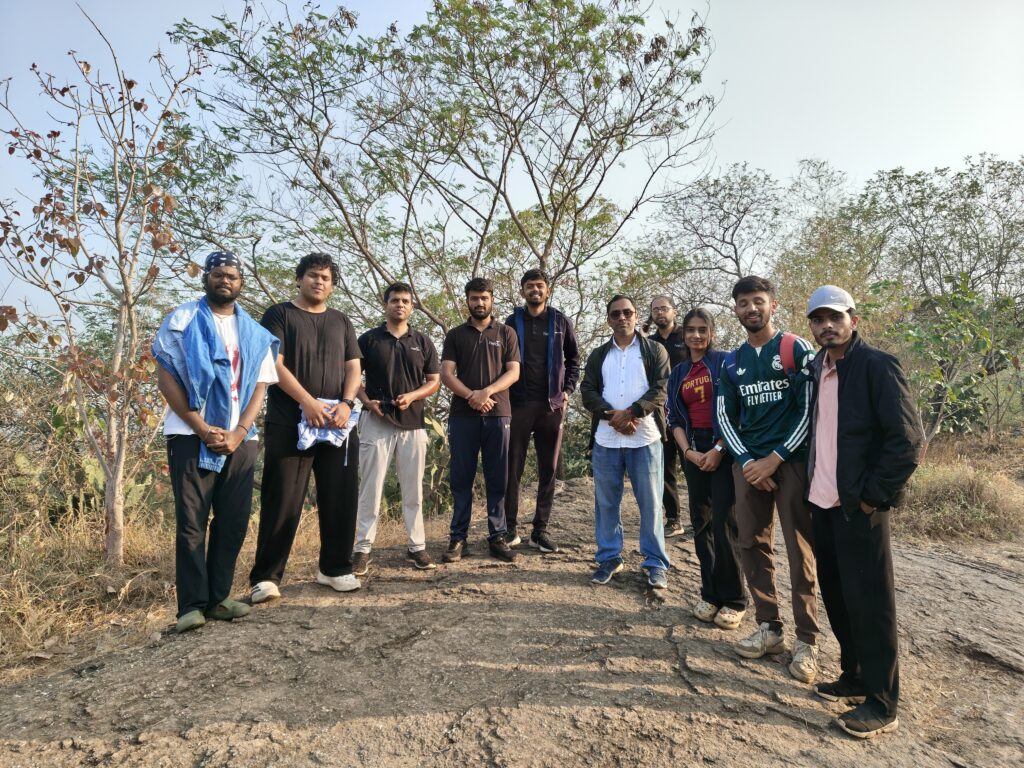
One of the important steps Nelda has taken over the years is developing water storage infrastructure at Hanuman Tekdi.
Nelda has built water tanks at the Tekdi to help store water for plantation maintenance and make it available for watering trees when natural rainfall is insufficient.
This infrastructure plays an important role after the monsoon. Instead of depending entirely on rainfall, stored water can support the continued care of saplings during drier periods.
Water availability is one of the practical challenges associated with maintaining a plantation, particularly when hundreds of trees require attention. Having water storage facilities at the site helps make the maintenance process more manageable.
However, developing this infrastructure requires investment.
Building water tanks involves costs related to construction, materials, and the work required to establish water storage facilities. Keeping this infrastructure useful over time also requires attention and maintenance.
These expenses are an important part of the overall cost of maintaining a plantation.
When people think about tree plantation, they often consider the cost of saplings and the activities involved in planting them. But the actual responsibility extends much further.
Water storage, water availability, transportation, watering activities, and infrastructure maintenance all contribute to the long-term effort required to help trees survive.
This is why Nelda considers water infrastructure an essential part of its environmental work at Hanuman Tekdi.
Tree Maintenance Involves More Than Watering
Although watering becomes particularly important after the monsoon, it is only one part of winter maintenance.
Young trees require attention in several areas to support healthy growth. Regular observation helps volunteers identify problems early and take appropriate action.
Nelda’s ongoing maintenance activities focus on several important aspects.
1. Monitoring Tree Health
Every sapling develops differently. Some may grow quickly, while others may need additional attention.
Regular monitoring helps identify signs of stress, damaged branches, unhealthy leaves, or other visible changes. It also allows volunteers to observe the progress of the plantation over time.
Identifying problems early makes it easier to provide the care a young tree needs.
2. Removing Weeds and Unwanted Vegetation
Weeds and unwanted vegetation can compete with young saplings for water, nutrients, sunlight, and space.
Removing excessive vegetation around young trees helps reduce this competition and gives saplings a better opportunity to establish themselves.
This activity also helps keep the plantation area organised and easier to maintain.
3. Supporting Soil and Root Development
Healthy root development is essential for a tree’s long-term survival.
Maintaining suitable soil conditions, ensuring adequate moisture, and providing appropriate nourishment when required can support the development of young trees.
The needs of individual saplings may vary depending on their species, age, and growing conditions. Therefore, maintenance should be guided by observation rather than applying the same treatment everywhere.
4. Protecting Young Saplings
Young trees can be vulnerable to physical damage, environmental stress, and disturbances around the plantation area.
Regular visits allow volunteers to check whether saplings need additional protection and identify any issues that could affect their growth.
Small interventions at the right time can help prevent larger problems later.
5. Providing Appropriate Nourishment
Water alone does not meet every requirement of a growing tree.
Depending on the soil and plant condition, some saplings may require additional nourishment. Providing suitable nutrients and maintaining the surrounding soil can support healthier development.
The objective is to give each sapling the conditions it needs to grow naturally and steadily.
Every Sunday at 7:30 AM: Volunteers Make Maintenance Possible
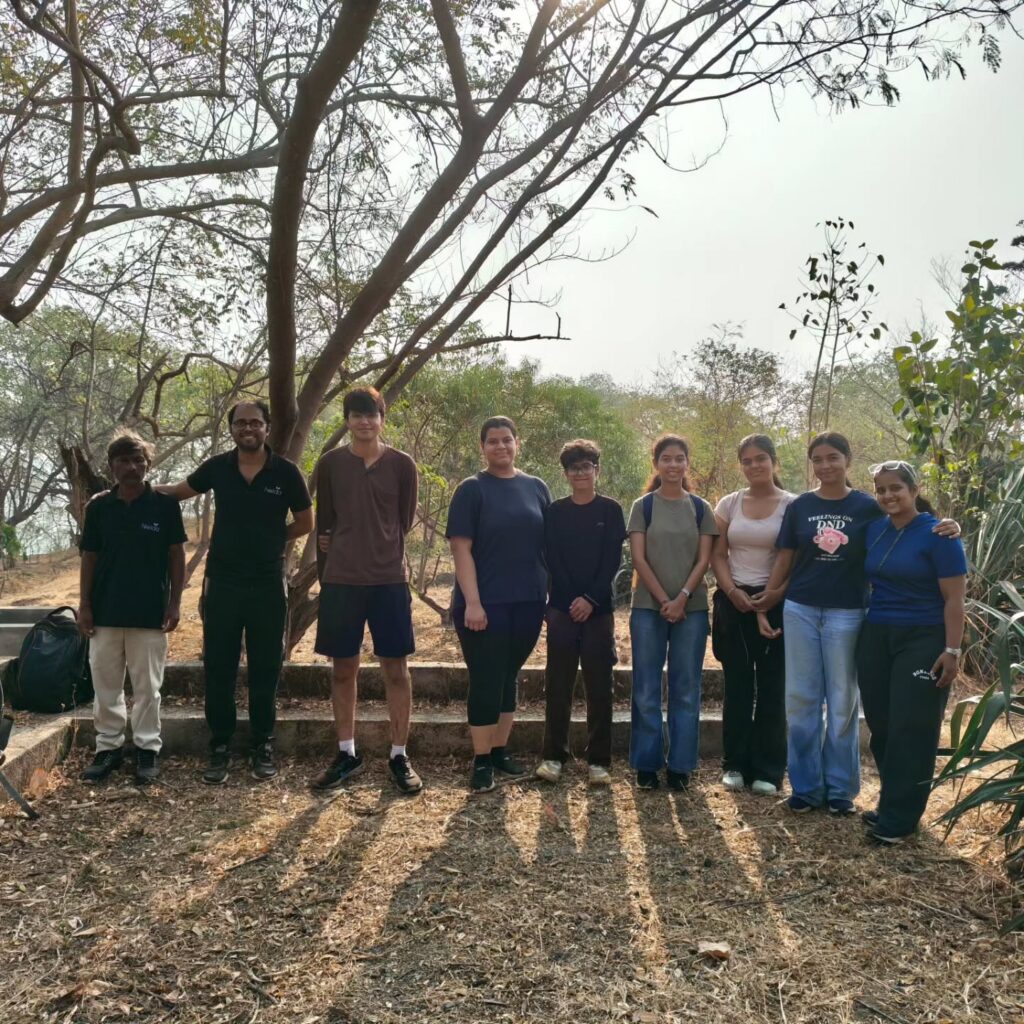
Long-term plantation maintenance requires consistent participation. It cannot depend only on occasional visits or large plantation events.
At Hanuman Tekdi, Nelda Foundation brings volunteers together every Sunday at 7:30 AM for plantation-related activities, including watering, nurturing, and maintaining existing trees.
These weekly activities help ensure that the plantation receives continued attention even after the monsoon season.
Volunteers contribute by:
- Watering saplings that need additional moisture.
- Removing weeds and unwanted vegetation.
- Observing tree health and identifying issues.
- Helping maintain the plantation surroundings.
- Supporting the protection and nurturing of young trees.
- Participating in other maintenance activities as required.
The weekly schedule also creates a sense of continuity. People who participate in plantation drives can return to see how the trees are growing and contribute to their development.
This is an important part of Nelda’s volunteer initiative.
Volunteering becomes more meaningful when people can see the results of their efforts over time. A sapling planted during the monsoon may look very different after several months of regular care.
Being part of that journey helps people understand that environmental responsibility is not limited to planting. It also involves showing up, contributing time, and caring for what has already been planted.
Understanding the Real Cost of Maintaining a Plantation
Plantation initiatives are often discussed in terms of the number of saplings planted or the cost of purchasing them.
However, the long-term cost of maintaining a plantation is much broader.
Once saplings are planted, several recurring requirements need to be addressed. These include water, storage infrastructure, maintenance activities, and the resources needed to keep the plantation healthy.
At Hanuman Tekdi, some of the important maintenance-related expenses include:
- Water storage infrastructure: Building water tanks to store water for plantation activities.
- Infrastructure upkeep: Maintaining the tanks and related facilities so they remain useful.
- Water availability: Ensuring that water can be accessed when rainfall is insufficient.
- Watering activities: The effort and resources involved in distributing water across the plantation.
- Nurturing and soil care: Providing appropriate nourishment and supporting healthy growing conditions.
- Regular site maintenance: Removing weeds, monitoring saplings, and keeping the plantation area in suitable condition.
These expenses are not one-time costs associated with a plantation event. They form part of an ongoing responsibility.
For example, building a water tank may support the plantation for years, but it represents an investment that has to be considered as part of the overall maintenance plan.
Similarly, watering hundreds of saplings requires regular effort, particularly when natural rainfall is limited.
Understanding these requirements helps explain why tree plantation is a long-term environmental commitment that needs both participation and resources.
Why Hanuman Tekdi Is an Important Part of Nelda’s Journey
Hanuman Tekdi has become an important location for Nelda’s plantation and maintenance activities.
Its central location in Pune makes it accessible for volunteers who want to participate in environmental work. The availability of necessary permissions and existing water infrastructure also makes it a practical location for long-term plantation efforts.
Over the years, the work at Hanuman Tekdi has developed beyond individual plantation drives. It has become an ongoing effort involving planting, watering, nurturing, and maintaining trees.
The water tanks built over the years are one example of how Nelda has invested in the practical requirements of maintaining the plantation.
The Hanuman Tekdi plantation initiative reflects this continued commitment.
For Nelda, the objective is not simply to plant trees at a location. It is to create an environment where people can participate regularly and contribute to the long-term growth of the plantation.
Plantation Is Seasonal, but Tree Care Continues Throughout the Year
The monsoon is generally the preferred season for planting saplings because rainfall provides natural water and the soil offers favourable conditions for young plants.
However, tree care does not follow the same seasonal schedule.
Once the monsoon ends, watering and monitoring become increasingly important. During winter, saplings continue developing their roots and adapting to their surroundings. As temperatures rise towards summer, maintaining water availability becomes even more important.
This is why Nelda’s maintenance efforts continue beyond the plantation season.
Each season brings different requirements:
- Monsoon: Plantation, natural watering through rainfall, and initial sapling establishment.
- Post-monsoon: Monitoring growth, managing weeds, and preparing for reduced rainfall.
- Winter: Regular watering where needed, nurturing, and checking tree health.
- Summer: Greater attention to water availability, soil moisture, and protecting young saplings from heat stress.
The requirements can vary depending on rainfall, soil conditions, and the needs of individual trees.
A consistent maintenance approach helps Nelda respond to these seasonal changes and provide appropriate care throughout the year.
How Tree Maintenance Supports Nelda’s Larger Vision
Every tree maintained at Hanuman Tekdi is part of a much larger environmental journey.
Nelda Foundation’s long-term vision is to help people plant and grow one billion trees by 2041.
Achieving this vision requires more than organising plantation drives. It requires creating awareness, encouraging people to participate, and helping them understand the importance of nurturing trees after planting.
The water tanks, regular watering activities, weekly volunteer participation, and continued maintenance at Hanuman Tekdi are all examples of the practical work involved in growing trees.
These efforts also demonstrate that meaningful environmental change requires long-term planning.
A large vision is achieved through smaller actions repeated consistently. Every sapling that receives water, every tree that is monitored, and every volunteer who returns to help contributes to that journey.
You can learn more about Nelda Foundation’s environmental impact and its ongoing efforts to create lasting change through community participation.
How You Can Become Part of the Maintenance Journey
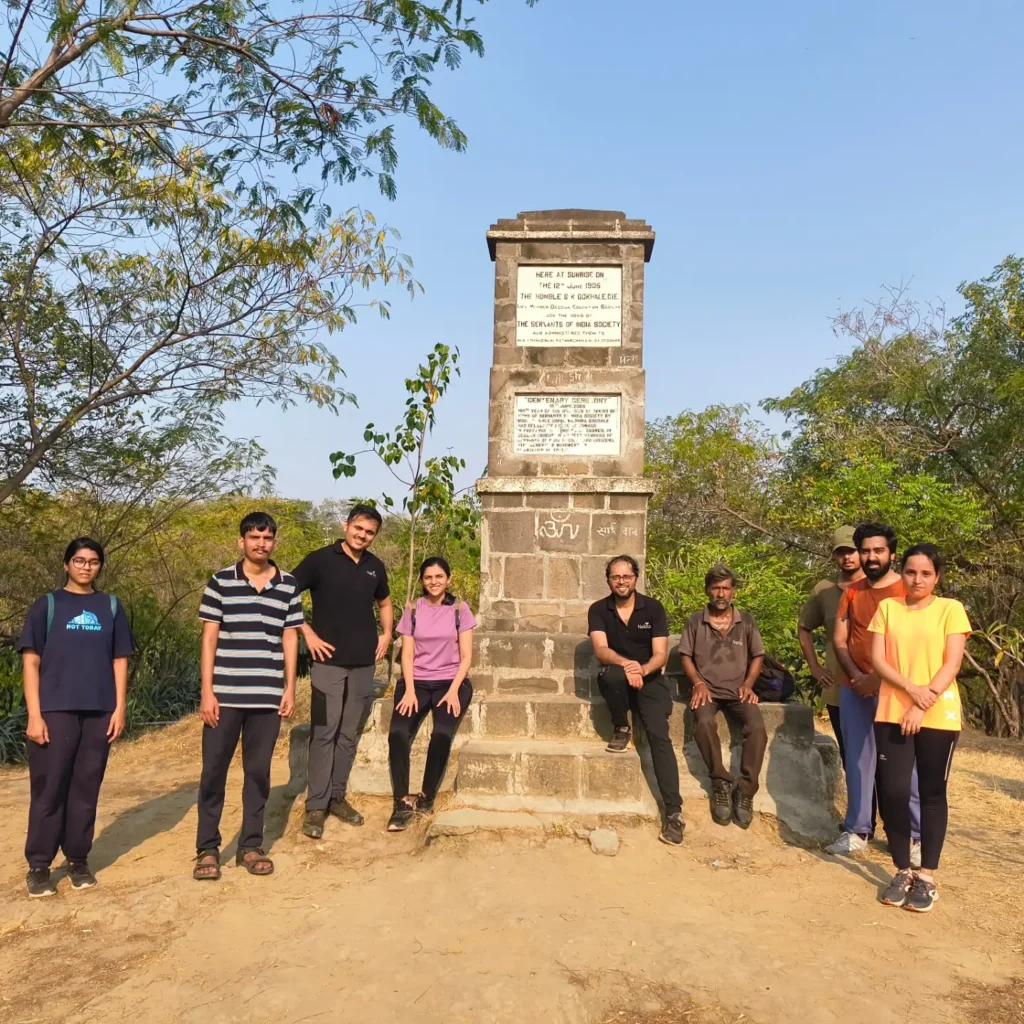
Tree maintenance does not require everyone to have specialised environmental knowledge.
People can begin by participating in regular activities, learning about the needs of young trees, and contributing their time.
At Hanuman Tekdi, the Sunday morning activities provide an opportunity to understand the complete process of tree growing.
Whether it involves watering, removing weeds, monitoring saplings, or helping maintain the plantation area, every contribution supports the larger effort.
People who want to support tree-growing activities can also explore Nelda’s tree donation initiative.
Supporting plantation efforts also means recognising the resources required after planting. Water storage, infrastructure, and ongoing maintenance are all essential parts of helping trees grow.
Conclusion: Growing Trees Requires Planning, Water, and Commitment
As winter approaches, Nelda Foundation’s focus at Hanuman Tekdi shifts towards ensuring that the trees planted over the years continue receiving the care they need.
Regular watering, nurturing, monitoring, weed removal, and protection remain important parts of this responsibility. The water tanks developed over the years provide valuable support by helping store water for periods when natural rainfall is limited.
But maintaining a plantation involves more than making water available. It also requires investment in infrastructure, recurring maintenance expenses, and people who are willing to contribute consistently.
Every Sunday at 7:30 AM, volunteers continue coming together at Hanuman Tekdi to support this work.
For Nelda, these activities represent a simple but important belief: planting a tree is a promise, and maintaining it is how we fulfil that promise.
As Nelda works towards its vision of helping people plant and grow one billion trees by 2041, every effort to water, nurture, and protect existing trees becomes part of that larger mission.
The monsoon may be the season of planting, but winter reminds us why maintenance matters.
Because the real achievement is not just planting more trees. It is helping the trees we have planted grow.