
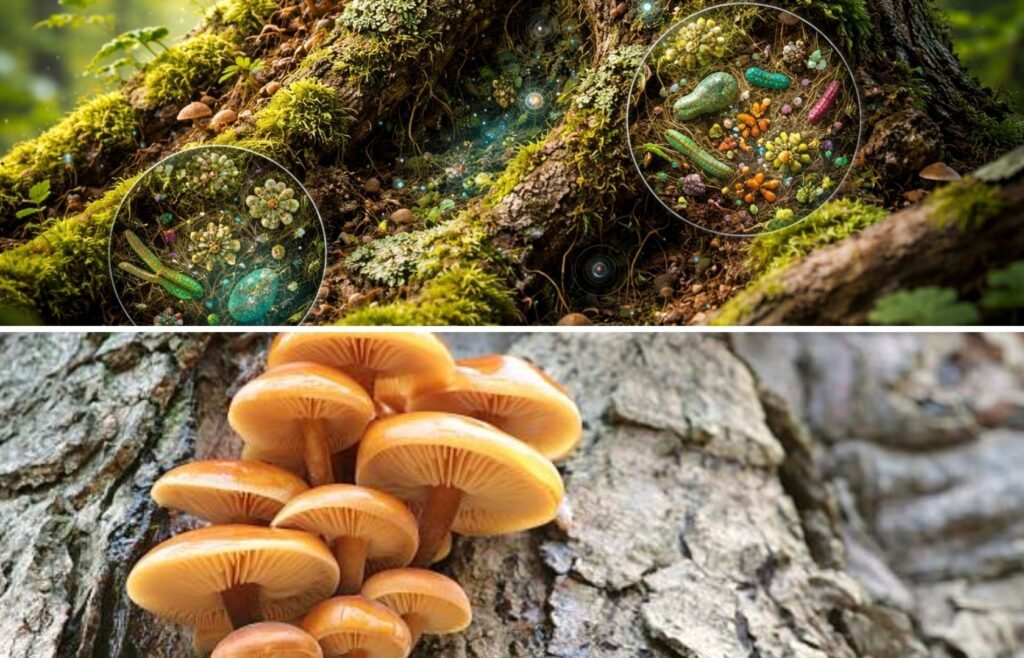
Why do some trees survive for decades while others die within a few years—even when planted with care?
Why do massive tree plantation drives sometimes show disappointing survival rates? And why is planting a sapling only half the story of growing a forest?
The answers lie beneath the soil.
The Microbiome of Trees is an invisible but powerful ecosystem that determines whether a tree thrives or fails.
Long before a tree shows visible stress, its fate is already being decided underground by soil bacteria, fungi, and microbial communities.
For individuals, volunteers, and tree plantation NGOs, understanding The Microbiome of Trees is no longer optional. It is essential for sustainable, long-term impact.
This in-depth guide explains how soil life controls tree health, why many plantation efforts fail, and how organisations like Nelda Foundation are shifting toward science-backed, survival-focused tree plantation.
What Is the Microbiome of Trees?
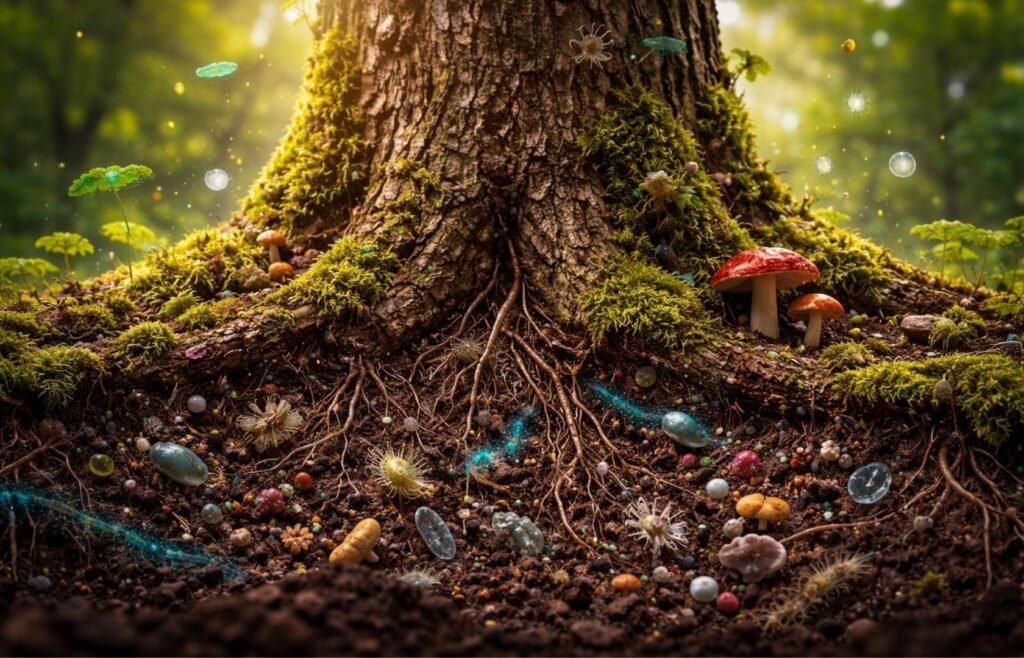
The Microbiome of Trees is the living community of microscopic organisms that exist in the soil and within the tissues around a tree, and it directly influences how that tree grows, survives stress, and lives long-term.
A tree does not function alone; it depends on this underground biological system for nutrients, water access, immunity, and resilience.
The Microbiome of Trees includes:
- Beneficial soil bacteria that convert nitrogen, phosphorus, and other nutrients into forms that tree roots can absorb
- Mycorrhizal fungi that attach to roots and extend their reach deep into the soil for water and minerals
- Microorganisms living on and inside root tissues that support growth and strengthen natural defense systems
- Soil microbes that protect trees by suppressing harmful pathogens through natural competition
- Microbial networks that help trees tolerate drought, heat, pollution, and transplant stress
In simple terms, The Microbiome of Trees acts as an invisible life-support system beneath the soil, and without it, even well-planted and well-watered saplings struggle to survive.
This is why successful tree plantation and reforestation efforts depend not just on planting trees, but on protecting and restoring the soil biology that keeps those trees alive.
Why the Microbiome of Trees Determines Life or Death
The survival of a tree is decided long before visible signs of stress appear above the ground.
The Microbiome of Trees controls the fundamental biological processes that keep a tree alive, especially during its most vulnerable stages such as transplantation, drought, disease exposure, and soil stress.
When this microbial system is healthy, trees establish strong roots, access nutrients efficiently, and adapt to harsh conditions.
When it is damaged or absent, even well-maintained saplings gradually weaken and fail.
The Microbiome of Trees determines life or death because it:
- Regulates nutrient availability by converting soil-bound nitrogen, phosphorus, and micronutrients into forms roots can absorb, without which trees slowly starve even in fertile-looking soil
- Extends the functional root system through fungal networks, allowing trees to access water and nutrients far beyond their physical roots, which is critical during dry periods
- Protects trees from soil-borne diseases by suppressing harmful pathogens through natural microbial competition and biological defense mechanisms
- Reduces transplant shock by stabilizing root function after planting, helping saplings recover faster and establish themselves in new soil
- Improves tolerance to environmental stress such as heat, drought, pollution, and compacted soil, conditions that commonly cause early tree mortality
- Supports steady, resilient growth rather than weak and rapid growth that makes trees vulnerable to breakage, pests, and disease
In practical tree plantation and reforestation efforts, trees rarely die suddenly.
They decline slowly as microbial support weakens, nutrients become inaccessible, and stress accumulates.
This is why plantations that ignore soil biology often show high mortality within a few years, while microbiome-supported plantations develop into stable, self-sustaining ecosystems.
Simply put, when The Microbiome of Trees thrives, trees survive, when it collapses, trees fail.
Soil Is Not Dirt: It Is a Living Ecosystem
Soil is often mistaken for lifeless dirt, but in reality it is one of the most biologically active systems on Earth.
Healthy soil is alive, dynamic, and constantly changing, and it forms the foundation of The Microbiome of Trees.
Every handful of fertile soil contains billions of microorganisms working together to recycle nutrients, store carbon, regulate water, and support plant life.
When this living system is intact, trees grow stronger and more resilient. When it is damaged, trees struggle to survive regardless of how well they are planted or watered.
Soil functions as a living ecosystem because it:
- Hosts vast populations of bacteria, fungi, and other microorganisms that form the biological engine behind nutrient cycling and root health
- Acts as a nutrient bank where microbes unlock nitrogen, phosphorus, and micronutrients that trees cannot access on their own
- Regulates water movement by improving soil structure, allowing roots to absorb moisture efficiently while reducing erosion and runoff
- Supports complex underground food webs that maintain balance between beneficial organisms and harmful pathogens
- Stores organic carbon within microbial biomass and root systems, contributing to long-term climate stability
- Provides the physical and biological environment needed for mycorrhizal fungi and bacterial communities to support tree survival
When soil is compacted, polluted, or stripped of organic matter, this ecosystem collapses. Microbial diversity declines, nutrient flow slows, and water infiltration is reduced.
Trees planted in such soil may survive initially, but over time they weaken due to chronic stress.
Recognizing that soil is a living ecosystem, not inert dirt, is essential for sustainable tree plantation, reforestation, and NGO-led environmental restoration efforts focused on long-term success rather than short-term results.
The Rhizosphere: Where the Microbiome of Trees Operates
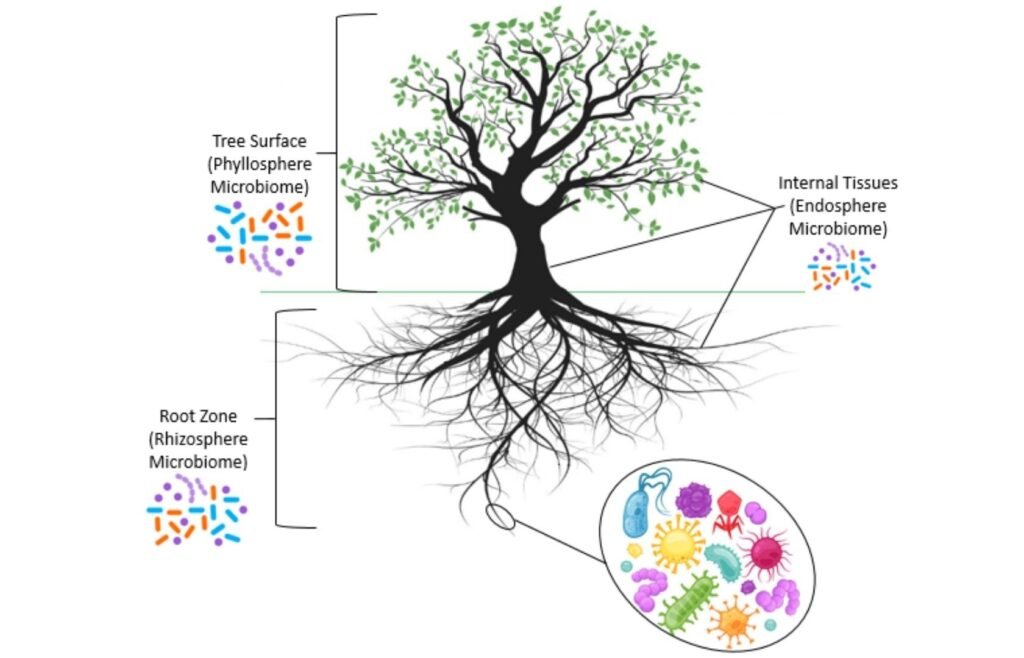
The rhizosphere is the thin zone of soil that surrounds tree roots. This is the most biologically active region in soil.
Tree roots release:
- Sugars
- Organic acids
- Amino acids
- Enzymes
These substances attract beneficial microbes.
In response, microbes:
- Convert nutrients into usable forms
- Improve water availability
- Protect roots from pathogens
This exchange is constant. This exchange defines The Microbiome of Trees.
The Role of Soil Bacteria in the Microbiome of Trees
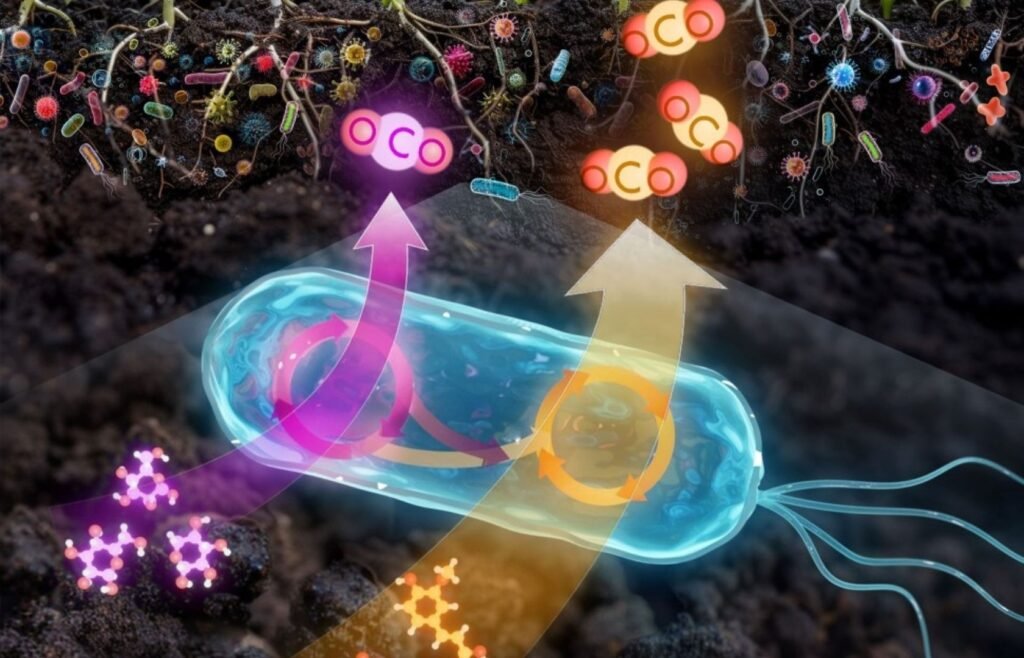
Soil bacteria form one of the most active and influential components of The Microbiome of Trees.
These microscopic organisms work continuously around tree roots to regulate nutrition, growth, and survival.
While trees rely on sunlight for energy, they rely on soil bacteria to access many of the essential nutrients required to build leaves, roots, and woody tissue.
Without these bacterial partners, trees may remain alive but grow weak, slow, and highly vulnerable to stress.
1. Nitrogen-Fixing Bacteria
Nitrogen is a fundamental building block for tree growth.
It is required for chlorophyll production, leaf expansion, and photosynthesis, which directly affects how much energy a tree can generate.
Although nitrogen makes up a large portion of the Earth’s atmosphere, trees cannot absorb it in this gaseous form. This is where nitrogen-fixing bacteria become essential.
Nitrogen-fixing bacteria play a critical role by:
- Converting atmospheric nitrogen into plant-usable forms such as ammonium and nitrates
- Supplying trees with a consistent and natural source of nitrogen throughout the growing season
- Supporting healthy leaf colour, stronger shoots, and balanced canopy development
- Reducing dependence on chemical nitrogen fertilizers that can harm soil life
When these bacteria are absent or reduced, trees often show slow growth, pale or yellowing leaves, and poor overall vigor.
In young plantations, this nutrient limitation can delay establishment and increase mortality risk.
2. Phosphate-Solubilizing Bacteria
Phosphorus is essential for energy transfer within trees, root expansion, and reproductive processes such as flowering and seed formation.
However, in most soils, phosphorus exists in forms that tree roots cannot absorb directly because it is tightly bound to soil minerals.
Phosphate-solubilizing bacteria support tree health by:
- Breaking down mineral-bound phosphorus and releasing it into the soil solution
- Improving nutrient uptake efficiency, especially in compacted or degraded soils
- Encouraging deeper and more extensive root systems
- Enhancing early root establishment after planting
These bacteria are especially important in poor-quality soils where phosphorus deficiency limits tree survival.
As part of The Microbiome of Trees, they help ensure that nutrients already present in the soil become biologically available rather than remaining locked and unusable.
3. Plant Growth-Promoting Rhizobacteria (PGPR)
Plant Growth-Promoting Rhizobacteria, commonly known as PGPR, directly influence how trees respond to stress during their most vulnerable stages.
These bacteria interact closely with roots and influence plant hormones, root structure, and stress responses.
PGPR enhance tree survival by:
- Producing natural growth hormones that encourage healthy root and shoot development
- Stimulating root branching, which increases the tree’s ability to absorb water and nutrients
- Reducing transplant shock by helping trees adapt more quickly to new soil conditions
- Improving tolerance to drought, heat, and nutrient stress
For tree plantation and reforestation efforts, PGPR are particularly important during the first 1–3 years after planting, when sapling mortality is highest.
NGOs like Nelda Foundation benefit greatly from plantation strategies that protect and encourage PGPR activity, as stronger early establishment leads to higher long-term survival rates.
Together, nitrogen-fixing bacteria, phosphate-solubilizing bacteria, and PGPR form a powerful biological support system within The Microbiome of Trees.
Their combined activity determines whether a planted sapling merely survives or develops into a resilient, self-sustaining tree capable of thriving for decades.
The Role of Fungi in the Microbiome of Trees
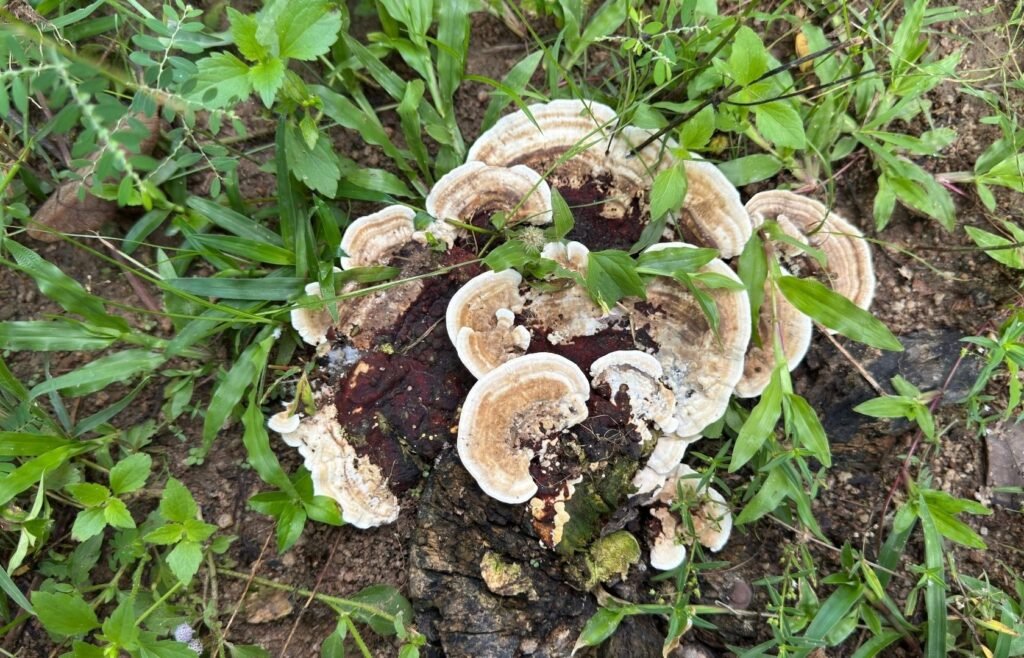
Fungi are one of the most powerful and often overlooked components of The Microbiome of Trees.
While soil bacteria manage many nutrient transformations, fungi act as the primary connectors between trees and the wider soil environment.
Their role goes far beyond simple nutrient exchange.
Fungi determine how efficiently trees access water, how well they survive drought, and how strongly they resist disease.
In many cases, a tree’s long-term survival depends more on its fungal partners than on the quality of the sapling itself.
Mycorrhizal Fungi: The Hidden Lifeline
Over 90% of all tree species form symbiotic relationships with mycorrhizal fungi.
These fungi attach themselves directly to tree roots and grow outward into the surrounding soil, creating an extensive underground network that functions as an extension of the root system.
Mycorrhizal fungi support trees by:
- Increasing water absorption by accessing moisture trapped in tiny soil pores that roots alone cannot reach
- Enhancing the uptake of phosphorus and essential micronutrients such as zinc and iron
- Improving drought tolerance by maintaining water supply during dry or irregular rainfall periods
- Protecting roots from harmful pathogens by forming a biological barrier and competing with disease-causing organisms
- Stabilizing root systems in loose or degraded soils, reducing stress during early establishment
Without these fungal partners, The Microbiome of Trees becomes weak and unstable.
Trees may survive temporarily, but they are far more vulnerable to drought, nutrient deficiency, and disease, especially in challenging environments.
Types of Mycorrhizal Associations
Not all trees form the same type of fungal partnership.
Different ecosystems support different mycorrhizal associations, and understanding this distinction is important for successful tree plantation.
The two main types of mycorrhizal associations are:
- Ectomycorrhizae, commonly found in forest trees such as oak, pine, and other temperate species, where fungi form a sheath around the root surface and play a major role in nutrient exchange and long-term forest stability
- Arbuscular mycorrhizae, present in most tropical, agricultural, and plantation species, where fungi penetrate root cells and support rapid nutrient uptake and early growth
This knowledge helps tree plantation NGOs and reforestation groups design species-appropriate plantation strategies.
When trees are matched with the right fungal environment, survival rates improve significantly, maintenance requirements decrease, and plantations develop into healthier, self-sustaining ecosystems.
In short, fungi are not optional helpers.
They are a core structural component of The Microbiome of Trees, quietly deciding whether a planted sapling struggles to survive or grows into a resilient, long-living tree.
Underground Fungal Networks: Forest Connectivity
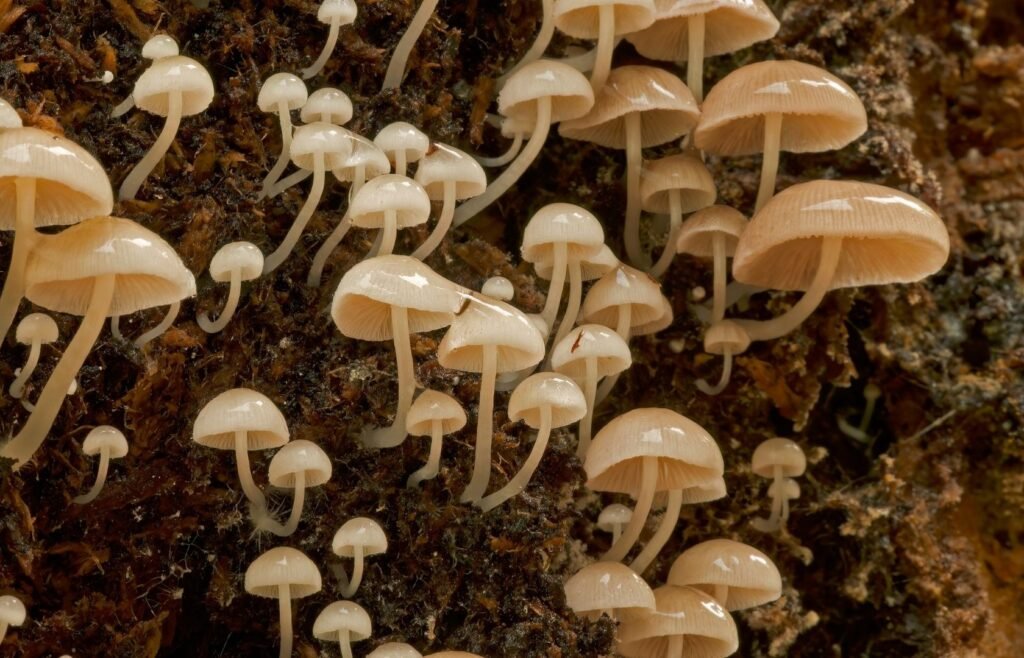
Fungi form underground networks connecting multiple trees.
Through these networks:
- Mature trees support young saplings
- Nutrients are redistributed
- Stress signals are shared
This explains why trees survive better in diverse plantations than isolated plantings.
The Microbiome of Trees functions at the ecosystem level, not the individual level.
Beneficial Microbes vs Soil Pathogens
Not all microbes are beneficial.
However, in healthy soils:
- Beneficial microbes dominate
- Pathogens are naturally suppressed
Problems arise when:
- Chemical inputs kill beneficial microbes
- Soil biodiversity is reduced
- Monoculture plantations dominate
Restoring The Microbiome of Trees restores natural disease resistance.
What Happens When the Tree Microbiome Is Damaged?
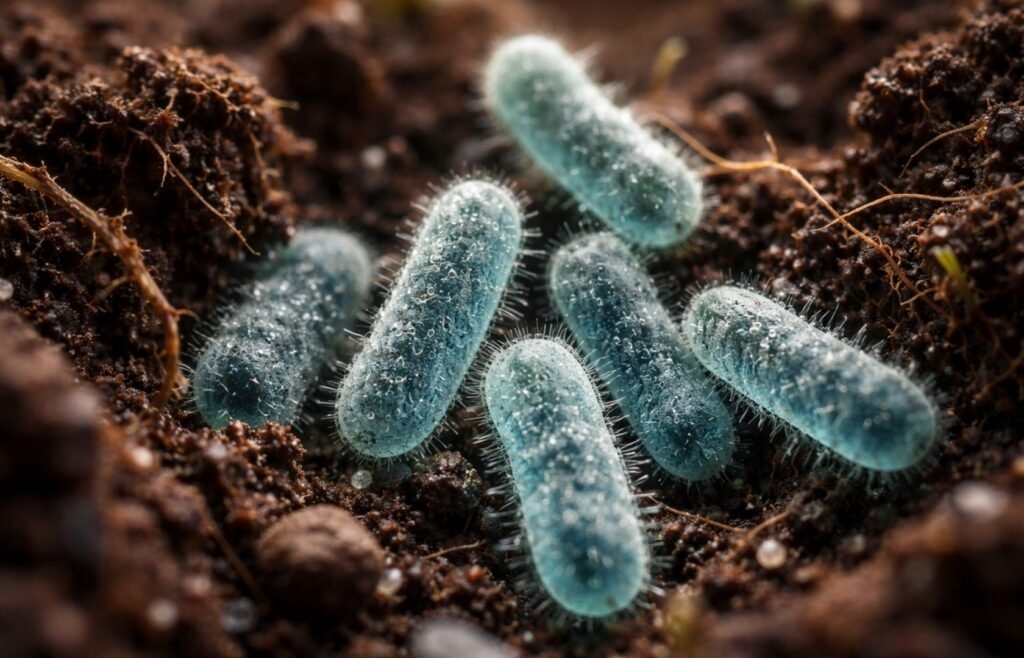
Disrupted The Microbiome of Trees leads to:
- Poor root development
- Low nutrient uptake
- Increased disease susceptibility
- High mortality after transplantation
- Stunted growth
Common causes of microbiome damage include:
- Excessive chemical fertilizers
- Soil compaction
- Monoculture plantations
- Removal of native soil
- Pollution and construction activity
Urban Tree Plantation and Microbiome Challenges
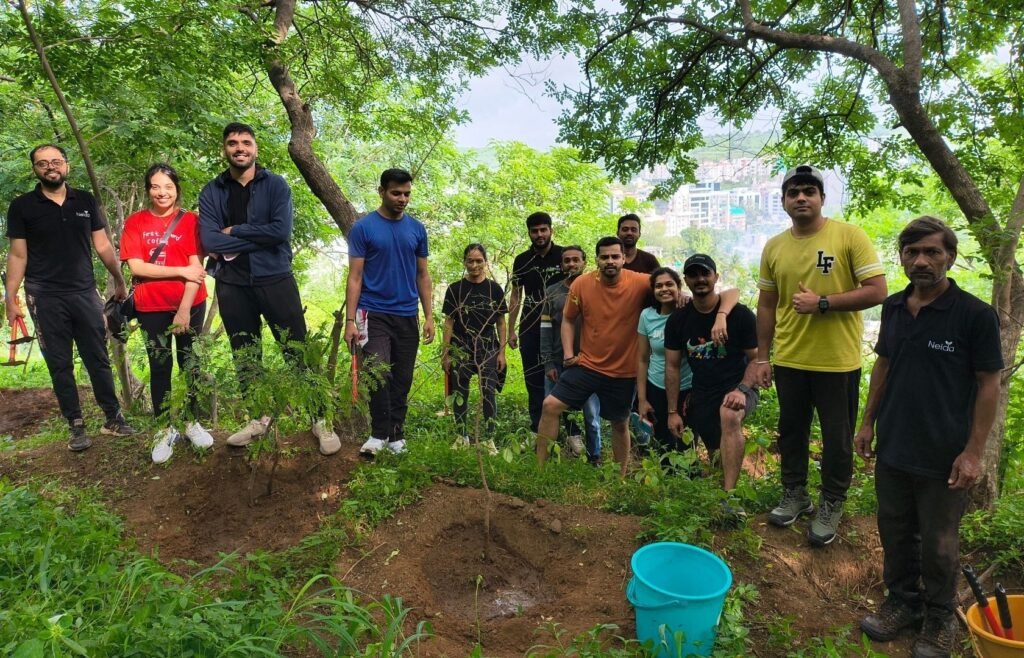
Urban environments are harsh for trees.
Challenges include:
- Sealed soil surfaces
- Heavy metals
- Low organic matter
- Disturbed microbial communities
Without restoring The Microbiome of Trees, urban tree plantation often fails.
This is why science-backed NGOs like Nelda Foundation focus on holistic planting approaches, not just planting saplings, but rebuilding soil ecosystems.
Tree Plantation Success Depends on Soil Microbiology
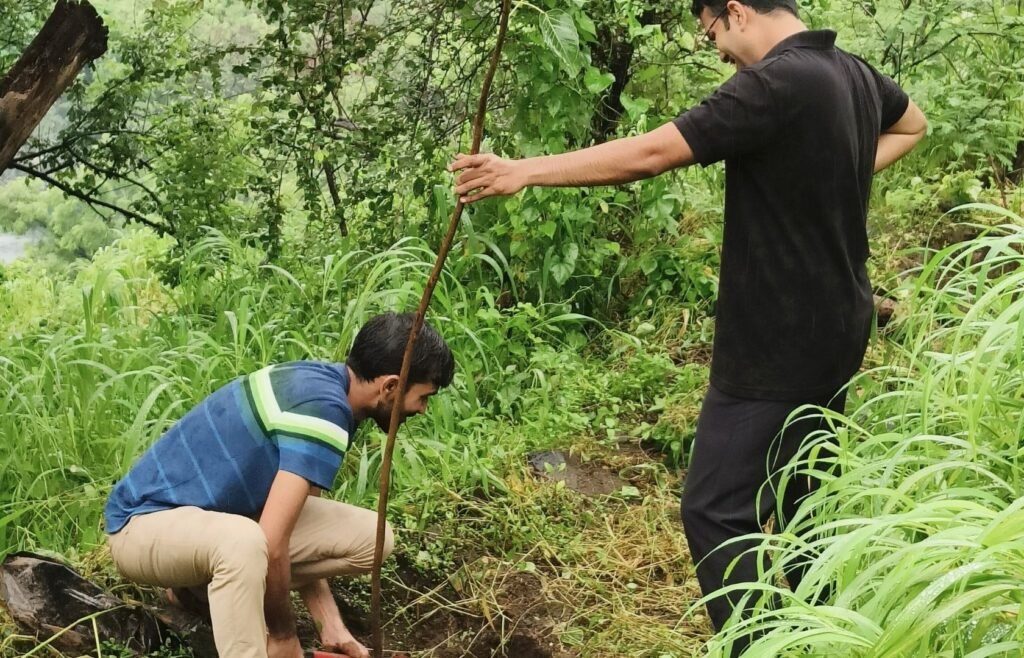
Studies show that tree plantations with microbiome-aware practices have:
- Higher survival rates
- Faster growth
- Lower maintenance costs
- Stronger ecosystem benefits
This is especially important for:
- Reforestation projects
- Agroforestry
- Community plantation drives
- NGO-led environmental programs
How Tree Plantation NGOs Can Support the Microbiome of Trees
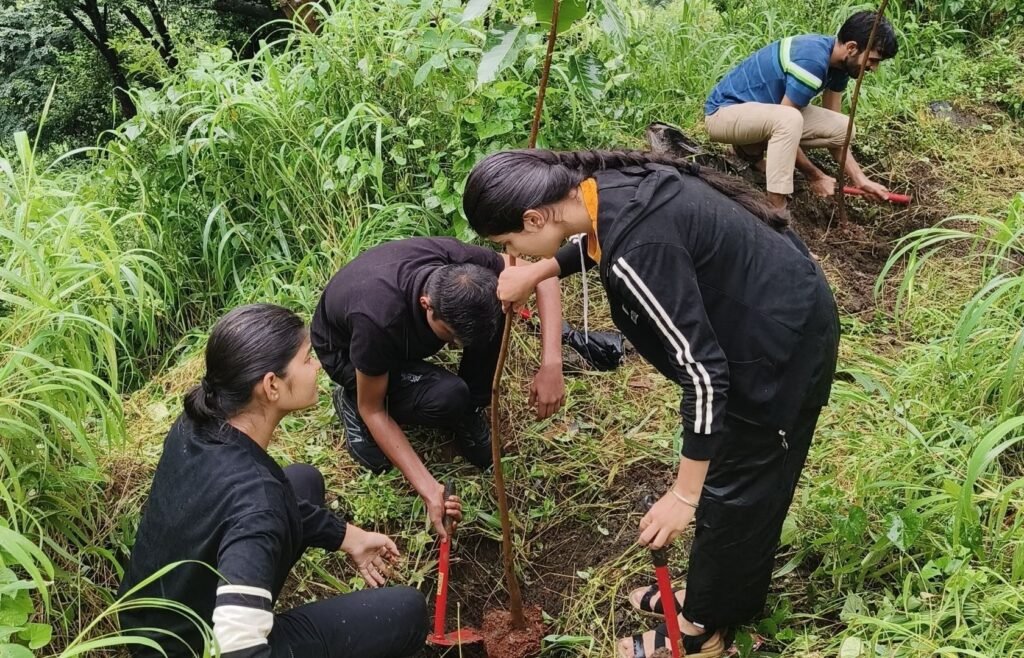
1. Preserve Native Soil
Avoid replacing native soil during plantation. Local soil contains native microbial communities adapted to the region.
2. Add Organic Matter
Compost, leaf litter, and mulch:
- Feed soil microbes
- Improve moisture retention
- Restore The Microbiome of Trees naturally
3. Avoid Excessive Chemicals
Chemical fertilizers and pesticides can kill beneficial microbes.
Sustainable NGOs like Nelda Foundation promote eco-friendly inputs that support long-term soil health.
4. Use Microbial Inoculants (When Needed)
In degraded lands, microbial inoculants:
- Reintroduce beneficial bacteria and fungi
- Accelerate soil recovery
- Improve sapling establishment
5. Choose Native Tree Species
Native species:
- Form better microbial partnerships
- Require less intervention
- Strengthen local ecosystems
Why Nelda Foundation’s Approach Matters
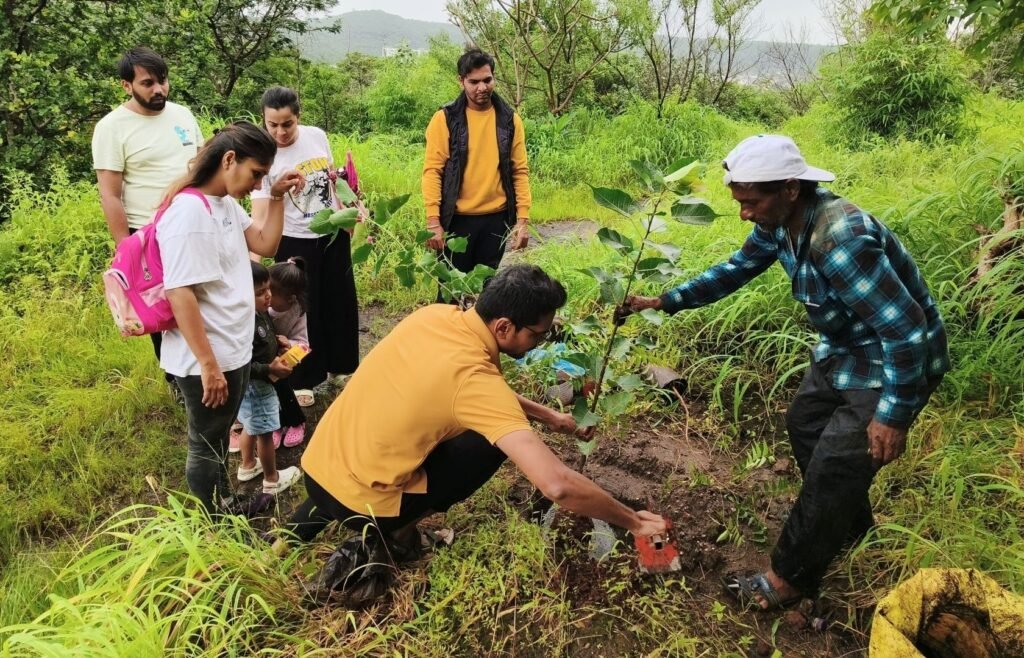
Tree plantation efforts often focus on numbers—how many saplings are planted in a day or a season.
Nelda Foundation takes a fundamentally different and more impactful approach by focusing on what truly determines long-term success: soil health, tree survival, and ecosystem restoration.
This approach aligns closely with modern ecological science and the understanding of The Microbiome of Trees, which shows that planting trees without restoring soil biology leads to short-lived results.
Nelda Foundation’s approach matters because:
- It prioritizes tree survival over planting counts, ensuring saplings grow into mature, long-living trees rather than failing after a few years
- It recognizes soil as a living ecosystem and supports practices that protect and rebuild the microbiome essential for tree health
- It promotes native and climate-appropriate tree species that naturally form stronger microbial partnerships
- It avoids excessive chemical inputs that damage beneficial soil bacteria and fungi
- It integrates community awareness and education so local ecosystems are protected even after plantation activities end
- It supports long-term ecological balance rather than short-term visual greenery
By aligning plantation practices with the science behind The Microbiome of Trees, Nelda Foundation moves beyond symbolic tree planting toward meaningful environmental restoration.
This approach ensures that every tree planted has the biological support it needs to survive, adapt, and contribute to healthier landscapes for decades to come.
Conclusion: Life or Death Starts Underground
The Microbiome of Trees is the silent decision-maker beneath every successful plantation.
Healthy soil microbes mean:
- Stronger trees
- Higher survival rates
- Resilient ecosystems
- Sustainable climate impact
Organizations like Nelda Foundation are leading the way by integrating ecological science into real-world plantation efforts, ensuring that trees planted today are forests tomorrow.
If you care about tree plantation, reforestation, or environmental sustainability, it’s time to look below the surface.
Want to support tree plantation efforts that actually last? Looking to collaborate with a science-driven NGO?
Volunteer with Nelda Foundation and help grow forests that survive, sustain, and thrive for generations.
FAQs
Q. What is The Microbiome of Trees?
A: It is the community of soil bacteria and fungi that support tree growth, immunity, and survival.
Q. Why do plantation drives fail?
A: Because soil biology is ignored.
Q. Can damaged soil be restored?
A: Yes, through organic inputs and biodiversity-focused practices.
Written by Priyanka Velhal from Nelda Foundation.