
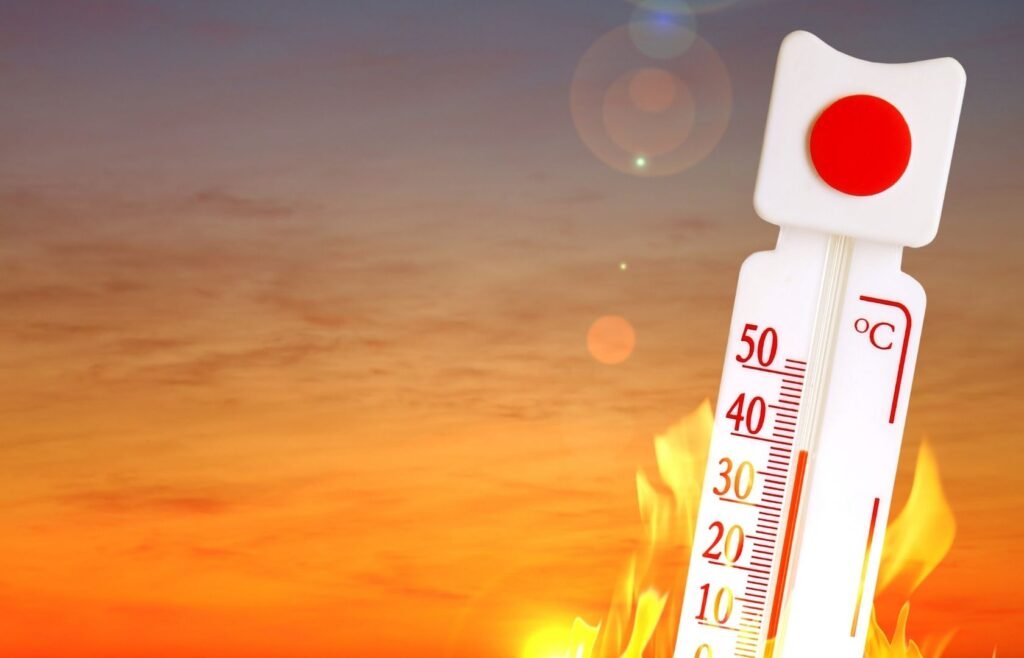
Urban Green Gaps are widening in Pune’s bustling streets, and have you ever wondered why summer temperatures in the city feel hotter than ever before?
Why are concrete roads, rooftops, and built-up zones trapping heat like an oven? And how can simple solutions like tree planting reverse this trend?
Urban Green Gaps, the lack of sufficient green cover within cities, are one of the biggest drivers of heat islands in urban landscapes worldwide.
As Pune expands rapidly, heat intensifies, air quality drops, and daily life becomes uncomfortable without urgent action.
In this detailed blog, we’ll explore how Urban Green Gaps are worsening heat islands in Pune and what practical steps citizens, policymakers, and NGOs like Nelda Foundation can take to cool the city and restore healthier urban ecosystems.
What Urban Green Gaps Really Mean in Daily Life
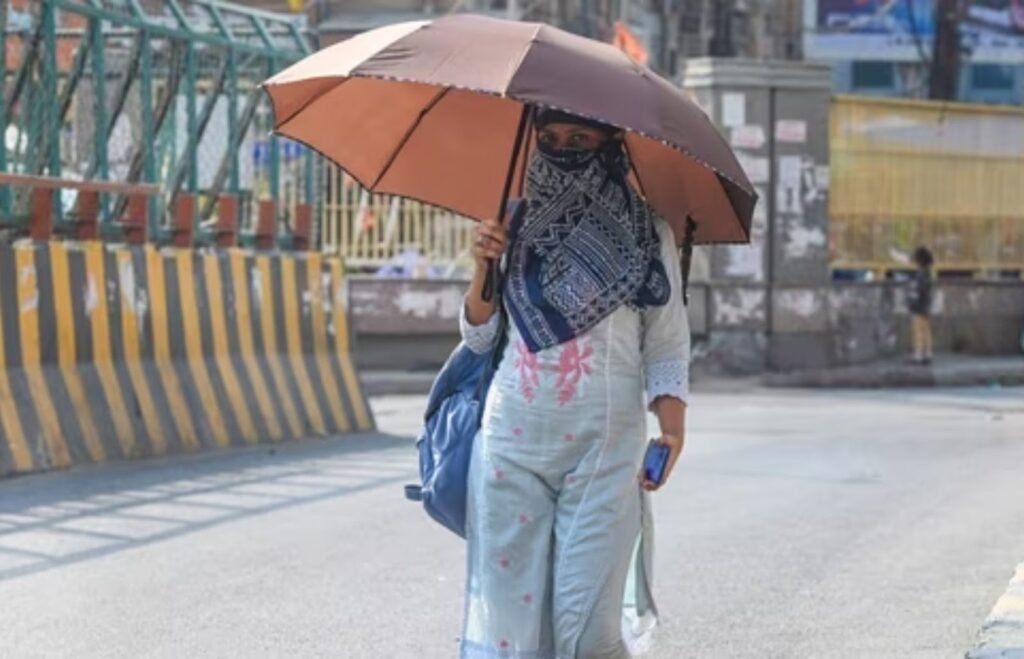
Urban Green Gaps show up in ordinary moments, not reports or statistics. People feel them while walking, waiting, resting, and living in the city.
When greenery disappears, daily comfort slowly disappears with it.
In everyday life, Urban Green Gaps mean:
- Hotter streets and public spaces: Roads, footpaths, bus stops, and traffic signals feel harsh because trees no longer provide shade. Even short outdoor movement becomes tiring.
- Homes that stay warm longer: Buildings surrounded by concrete absorb heat during the day and release it at night. Rooms feel stuffy, and cooling becomes necessary even after sunset.
- Higher dependence on artificial cooling: Fans and air conditioners run longer and more often, increasing electricity use and monthly expenses.
- Reduced outdoor activity and social life: Children play indoors, morning walks shorten, and community spaces remain underused because the heat feels overwhelming.
- Unequal comfort across neighborhoods: Areas with fewer trees feel noticeably hotter than greener parts of the city, creating invisible but real differences in living conditions.
Urban Green Gaps quietly shape how a city feels to live in. They turn simple routines into sources of discomfort.
Closing these gaps brings back shade, cooler air, and a sense of ease that people often don’t realize they have lost.
This is why addressing Urban Green Gaps directly improves daily life, not just the environment.
Why Urban Green Gaps Make Cities Hotter
Cities heat up because materials like concrete, asphalt, and metal absorb sunlight easily.
These surfaces store heat throughout the day and release it slowly after sunset, keeping the surroundings warm well into the night.
Trees break this heat cycle naturally.
When Urban Green Gaps remove trees from city spaces, cities lose several critical cooling benefits:
- Natural shade that blocks direct sunlight from hitting roads, buildings, and footpaths
- Cooling through evaporation, where trees release moisture into the air and lower surrounding temperatures
- Moist, living soil that absorbs less heat than concrete and helps regulate surface temperature
Without these natural buffers, heat builds up faster and lingers longer.
This process creates urban heat islands, where city areas remain significantly hotter than nearby green zones.
In Pune, this trapped heat affects everyday life.
People feel discomfort during routine activities, struggle with restful sleep, rely more on artificial cooling, and face increased health stress during warmer months.
Addressing Urban Green Gaps helps break this cycle and brings relief back into the city’s daily rhythm.
Why Pune Feels the Impact More Strongly
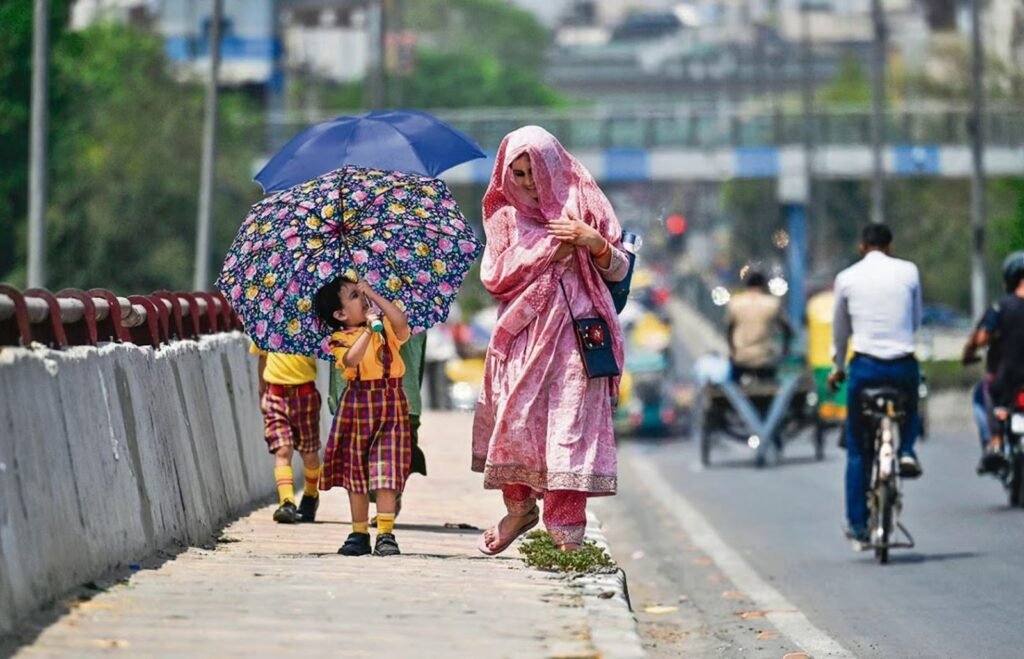
Pune grew fast. The city expanded to accommodate new residents, IT parks, industries, and housing projects.
While development moved quickly, green planning often lagged behind. As a result, Urban Green Gaps widened across many parts of the city.
A few key factors intensified Urban Green Gaps in Pune:
- Rapid construction without protecting existing trees, where development took priority over preservation
- Loss of native tree species that once helped regulate temperature and support local ecosystems
- Irregular care after plantation, leading to low survival rates of saplings
- Uneven green cover, where some neighborhoods remained shaded while others turned into concrete-heavy zones
This imbalance creates visible temperature differences within the city. Tree-lined areas feel noticeably cooler, calmer, and more comfortable.
Nearby neighborhoods with bare surroundings experience harsher heat and longer exposure to high temperatures.
Because of this uneven distribution, Pune doesn’t heat up evenly. Instead, it develops pockets of intense heat that affect daily life, health, and comfort for many residents.
Closing these Urban Green Gaps is essential to restore balance across the city, not just in select areas.
Why Pune Is Especially Vulnerable to Urban Green Gaps
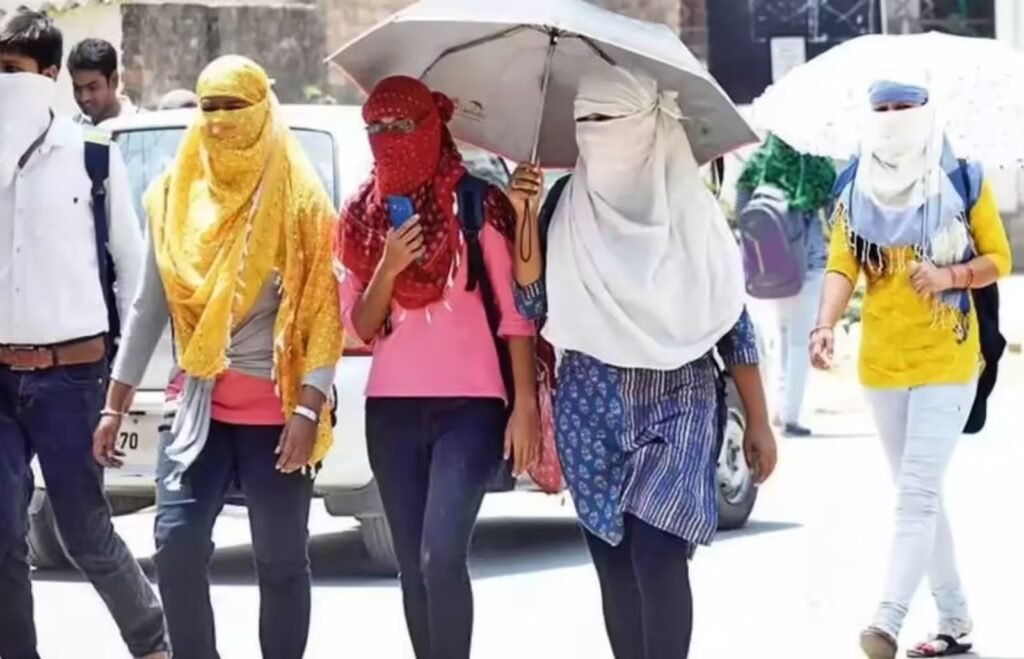
Pune’s location, climate, and development pattern make the city highly sensitive to Urban Green Gaps.
As the city grows, the pressure on natural green cover increases, and the effects become visible much faster.
Here are the main reasons Pune feels this impact so strongly:
- Rapid urban expansion: Pune’s growth as an IT and education hub has driven large-scale construction. In many cases, green zones and open land become the first areas cleared to make room for new development.
- Loss of native tree cover: Native tree species once helped regulate temperature, retain soil moisture, and support local ecosystems. Their decline weakens Pune’s natural ability to handle heat and seasonal changes.
- Uneven distribution of greenery: Some neighborhoods benefit from parks, gardens, and tree-lined streets, while others have almost no greenery. These uneven Urban Green Gaps create localized heat extremes across the city.
- Low survival after plantation: Tree plantation efforts that lack consistent care often see saplings fail to survive. Without watering, protection, and monitoring, these efforts unintentionally widen Urban Green Gaps instead of closing them.
Together, these factors make Pune especially vulnerable.
Addressing Urban Green Gaps requires not only planting trees but ensuring they grow, survive, and remain protected as the city continues to evolve.
The Hidden Costs of Urban Green Gaps
Urban Green Gaps affect far more than just temperature. They quietly place pressure on health, finances, the environment, and social equity.
These impacts often go unnoticed until they start affecting daily life.
Here’s how Urban Green Gaps create deeper, long-term costs:
Health impacts
- Increased cases of heat exhaustion and dehydration during warmer months
- Greater respiratory stress due to poor air quality and trapped pollutants
- Higher health risks for children, elderly people, and those with existing medical conditions
Economic impact
- Rising electricity bills as homes and businesses rely more on cooling
- Reduced productivity as heat affects concentration and physical stamina
- Increased healthcare expenses linked to heat-related illnesses
Environmental damage
- Declining air quality as fewer trees filter dust and pollutants
- Reduced groundwater recharge due to paved surfaces replacing soil
- Loss of urban biodiversity, including birds, insects, and native plant life
Social inequality
- Low-income neighborhoods often face the most severe Urban Green Gaps
- Fewer trees and open spaces lead to higher heat exposure in these areas
- Environmental stress compounds existing social and health challenges
Urban Green Gaps create a chain reaction.
What begins as missing greenery slowly turns into rising health risks, financial strain, environmental degradation, and unequal living conditions.
Addressing these gaps helps protect not just the climate, but the well-being of entire communities.
Trees: The Most Effective Solution to Urban Green Gaps
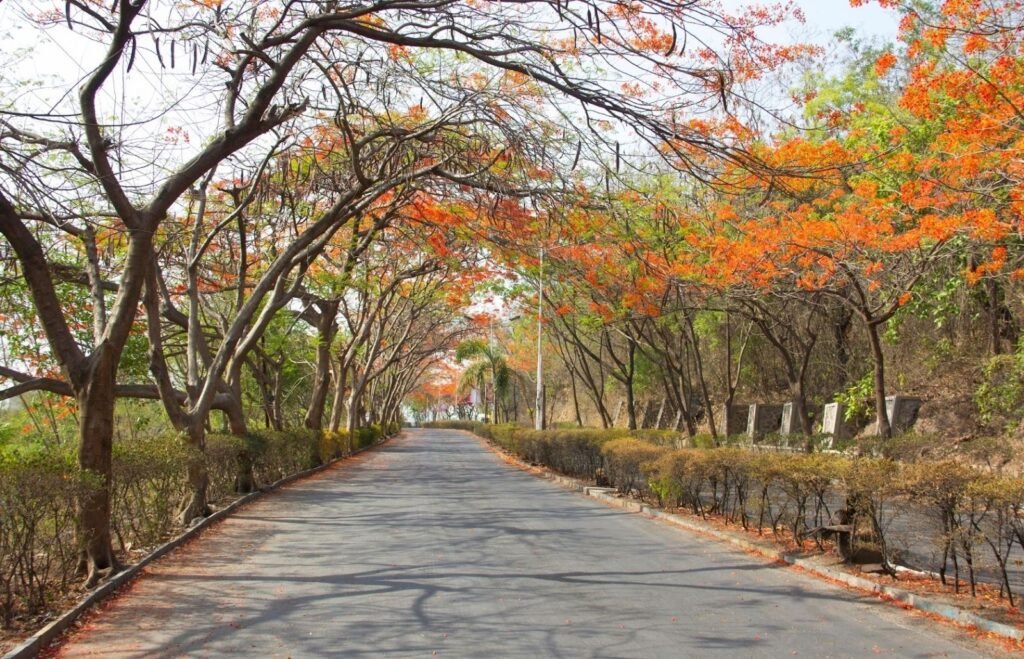
Trees offer the most effective and sustainable response to Urban Green Gaps because they work at multiple levels of the urban environment at the same time.
Unlike artificial cooling systems, trees function continuously, require no energy input, and strengthen the city over the long term.
Trees help cities in the following ways:
- They reduce heat accumulation at the source: Tree canopies block direct sunlight from hitting roads, buildings, and open spaces. Their leaves release moisture into the air, which cools surrounding temperatures and prevents surfaces from absorbing excessive heat.
- They restore comfort to daily urban life: Streets with tree cover feel noticeably cooler and more walkable. Homes near trees heat up more slowly and cool down faster at night, reducing the need for constant air conditioning and improving sleep quality.
- They improve air quality and public health: Trees filter dust, trap harmful pollutants, and release oxygen. In dense city environments, this directly reduces respiratory stress and supports healthier living conditions for residents.
- They strengthen soil and water systems: Tree roots help soil retain moisture, reduce surface runoff, and support groundwater recharge. Healthy soil stays cooler than concrete and plays a key role in regulating local temperatures.
- They support urban biodiversity and ecosystem balance: Trees create habitats for birds, insects, and small wildlife, helping restore ecological balance even in heavily built-up areas.
These benefits increase as trees mature. A well-planted tree can serve the city for decades, making tree survival just as important as tree planting.
This is why closing Urban Green Gaps requires thoughtful plantation and long-term care.
Organizations like Nelda Foundation focus on nurturing trees beyond planting day, ensuring they grow into permanent green assets that cool the city and improve everyday life.
Smart Solutions to Close Urban Green Gaps in Pune
Pune can reduce Urban Green Gaps and limit the growing heat island effect through focused, long-term action.
These solutions work best when the city treats greenery as essential urban infrastructure rather than optional beautification.
1. Mass tree plantation initiatives
Pune needs large-scale, well-planned tree plantation programs that focus on native and climate-appropriate species.
These initiatives should target heat-prone zones such as major roads, commercial districts, industrial areas, and newly developed neighborhoods.
Successful plantation requires proper soil preparation, correct spacing, seasonal timing, and consistent aftercare to ensure saplings grow into mature, cooling trees.
2. Creation of green corridors
Green corridors connect parks, riversides, streets, and residential areas through continuous tree cover.
These corridors allow cooler air to flow through dense urban zones, reducing trapped heat.
Tree-lined roads, riverfront plantations, and pedestrian green belts help regulate temperature while also improving walkability and ecological connectivity across the city.
3. Green roofs and vertical gardens
Rooftop gardens and vertical greenery reduce heat absorption from exposed building surfaces.
Vegetation on roofs and walls acts as natural insulation, lowering indoor temperatures and reducing the amount of heat released back into the environment.
These solutions are especially effective in high-density residential complexes, offices, and commercial buildings where ground-level green space is limited.
4. Integration of green planning into urban development
Urban planning policies must mandate meaningful green space in all new construction projects.
Green buffers, tree belts, and open landscaped areas should be incorporated at the design stage rather than added later.
This approach prevents the creation of new Urban Green Gaps as Pune continues to expand.
5. Community engagement and awareness
Long-term success depends on public participation. When residents adopt trees, water saplings, and protect local green spaces, survival rates improve significantly.
Awareness initiatives help citizens understand the role trees play in cooling neighborhoods and encourage shared responsibility for maintaining urban greenery.
6. Protection of existing trees
Preserving mature trees is critical. Existing trees provide immediate cooling benefits and take decades to replace.
Pune must discourage unnecessary tree cutting and enforce regulations that protect established green cover.
Tree protection ensures that efforts to close Urban Green Gaps are not undone by avoidable loss.
Together, these measures provide a practical and achievable roadmap for Pune to close Urban Green Gaps, reduce heat stress, and create a more resilient, livable city.
Why Tree Plantation Must Be Long-Term, Not One-Day Events
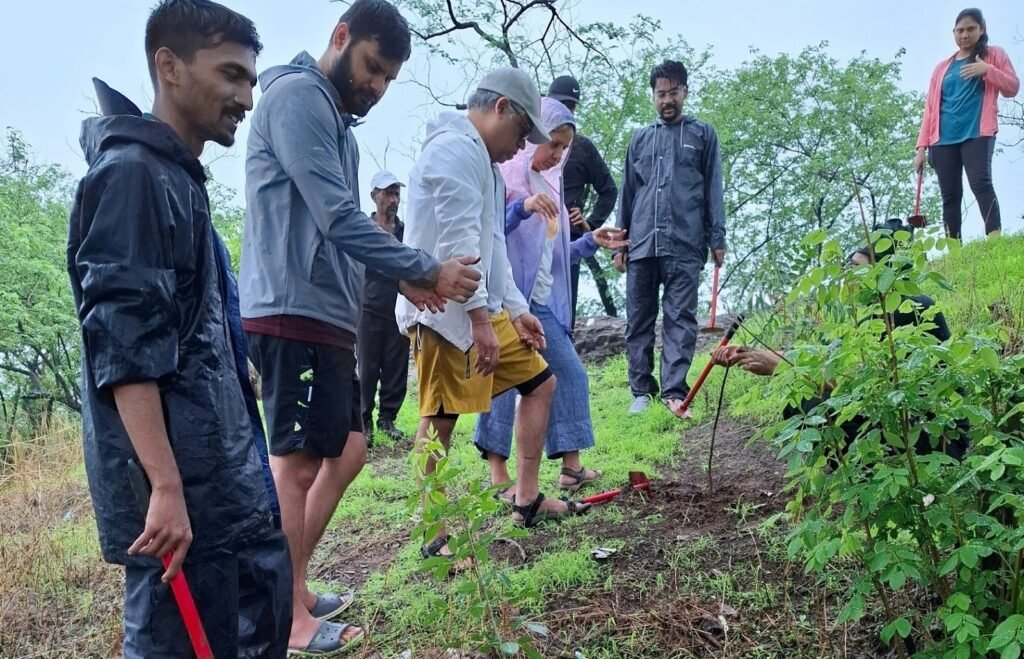
Tree plantation does not end when a sapling goes into the ground. Planting marks only the beginning of a much longer process.
When cities treat plantation as a one-day activity, Urban Green Gaps remain unchanged because most saplings fail to survive without continued care.
Long-term tree plantation focuses on growth, not just numbers. It ensures that trees mature, provide shade, and deliver real environmental benefits over time.
Tree plantation must be long-term because:
- Saplings need consistent care to survive: Young trees require regular watering, protection from damage, and seasonal monitoring during their early years.
- Incorrect planting leads to low survival rates: Without proper soil preparation, spacing, and species selection, many saplings fail before reaching maturity.
- Trees take years to deliver cooling benefits: A tree reduces heat only after it develops a strong canopy. One-day events ignore this time factor.
- Urban conditions are harsh on young trees: Pollution, heat, foot traffic, and construction activities place constant stress on newly planted saplings.
- Lack of ownership leads to neglect: When no one feels responsible after planting day, trees are forgotten and Urban Green Gaps remain open.
Sustainable tree plantation requires planning, monitoring, and community involvement over several years.
This approach turns planted saplings into living green assets rather than symbolic gestures.
Organizations like Nelda Foundation focus on this long-term model, ensuring trees are not only planted but protected and nurtured until they become permanent contributors to Pune’s green cover.
What Pune Can Do to Reduce Urban Green Gaps
Pune can meaningfully reduce Urban Green Gaps by shifting how the city plans, builds, and cares for its green cover.
These actions require consistency and long-term commitment, not isolated efforts.
1. Prioritize urban tree cover
The city should treat trees as essential infrastructure, similar to roads and utilities.
Trees play a critical role in temperature control, air quality, and public health, and urban planning should reflect their importance rather than treating them as optional beautification.
2. Integrate green planning into development
Every new residential, commercial, or infrastructure project should include clearly defined and usable green spaces.
Planning greenery at the design stage prevents the creation of new Urban Green Gaps and ensures balanced development as the city expands.
3. Strengthen community participation
When residents take responsibility for nearby trees, survival rates improve significantly.
Encouraging citizens to water, protect, and monitor trees builds a shared sense of ownership and long-term care.
4. Support tree plantation NGOs
Tree plantation NGOs provide expertise, structured planning, and accountability.
Their involvement ensures proper species selection, aftercare, and monitoring, which are essential for closing Urban Green Gaps sustainably.
5. Preserve existing trees
Protecting mature trees is just as important as planting new ones.
Established trees offer immediate cooling and environmental benefits and take decades to replace if removed.
Together, these actions help Pune move from short-term greening efforts to a resilient, long-term strategy that steadily closes Urban Green Gaps and improves quality of life across the city.
How Citizens Can Help Close Urban Green Gaps
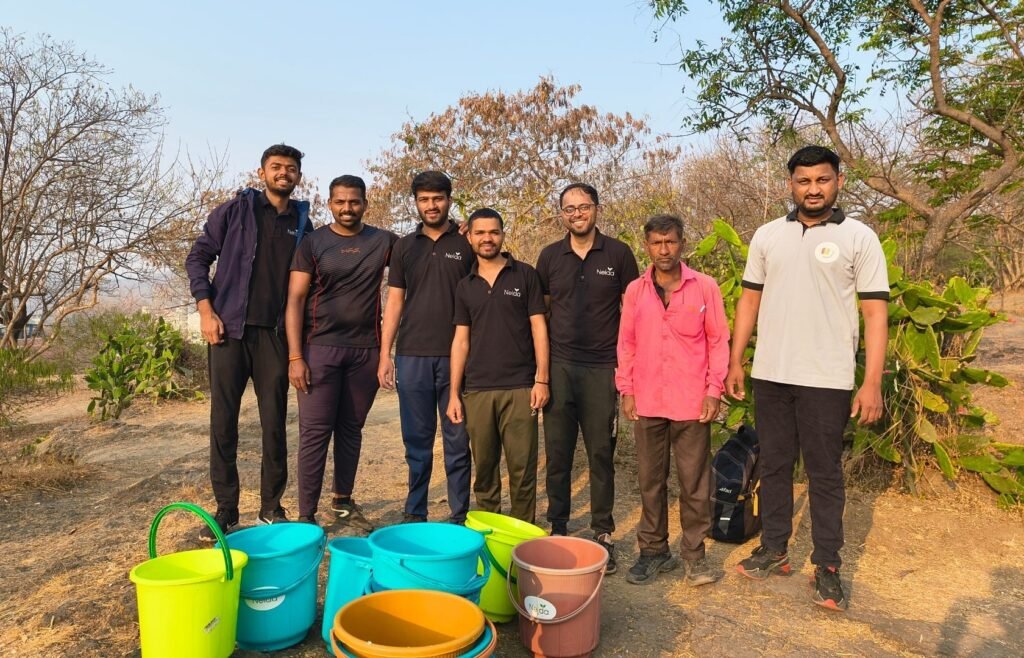
Closing Urban Green Gaps is not only the responsibility of governments or organizations.
Everyday actions by citizens play a powerful role in restoring green balance across the city. When people participate actively, trees survive longer and green spaces grow stronger.
- Participate in tree plantation drives: Citizens can join organized tree plantation programs that focus on long-term care. Supporting structured initiatives helps ensure saplings receive proper planting and follow-up attention.
- Care for trees in daily surroundings: Watering young trees, protecting saplings from damage, and reporting issues like broken guards or illegal cutting directly improve survival rates.
- Protect existing green spaces: Speaking up against unnecessary tree felling and misuse of green areas helps preserve mature trees that already provide cooling and shade.
- Encourage green practices within communities: Housing societies and neighborhoods can adopt trees, maintain gardens, and create small green zones that collectively reduce Urban Green Gaps.
- Support responsible tree plantation NGOs: Contributing time, resources, or awareness to organizations working on sustainable plantation strengthens long-term impact.
When citizens take ownership of their local environment, Urban Green Gaps begin to shrink naturally.
Small, consistent actions across many neighborhoods create a cooler, healthier, and more livable Pune for everyone.
Role of NGOs in Bridging Urban Green Gaps
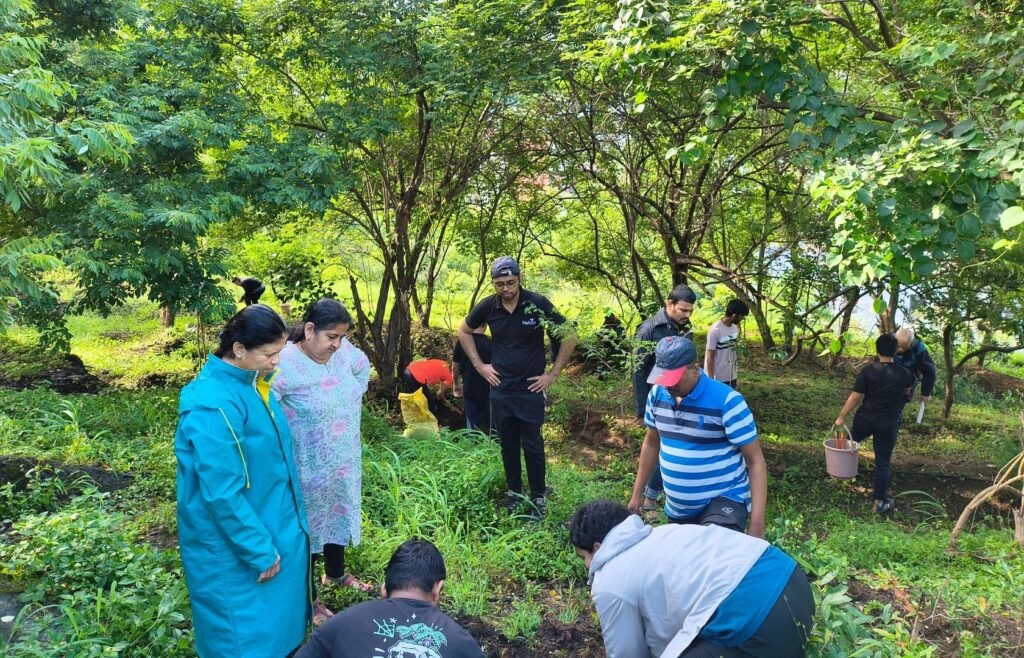
NGOs play a critical role in closing Urban Green Gaps because they combine on-ground action with long-term accountability.
They don’t just plant trees. They plan, protect, and nurture green cover in ways that cities and individuals often cannot manage alone.
NGOs help bridge Urban Green Gaps by:
- Identifying priority zones: NGOs study neighborhoods, road networks, and open spaces to identify areas where Urban Green Gaps cause the highest heat stress and environmental imbalance.
- Planning sustainable tree plantation: They select native, climate-suitable tree species and ensure proper planting methods that improve survival and long-term impact.
- Ensuring post-plantation care: NGOs organize watering schedules, protection measures, and monitoring systems so saplings grow into healthy, mature trees.
- Engaging local communities: By involving residents, schools, and housing societies, NGOs build shared responsibility and significantly improve tree survival rates.
- Advocating for green-friendly policies: NGOs work with local authorities to promote tree protection, green planning, and responsible urban development.
NGOs like Nelda Foundation focus on long-term solutions rather than one-day drives.
Their work turns empty or neglected spaces into living green zones that cool neighborhoods, improve air quality, and restore ecological balance.
By combining expertise, consistency, and community participation, NGOs act as the bridge between intention and impact, helping cities steadily close Urban Green Gaps and build a healthier urban future.
Nelda Foundation’s Role in Addressing Urban Green Gaps
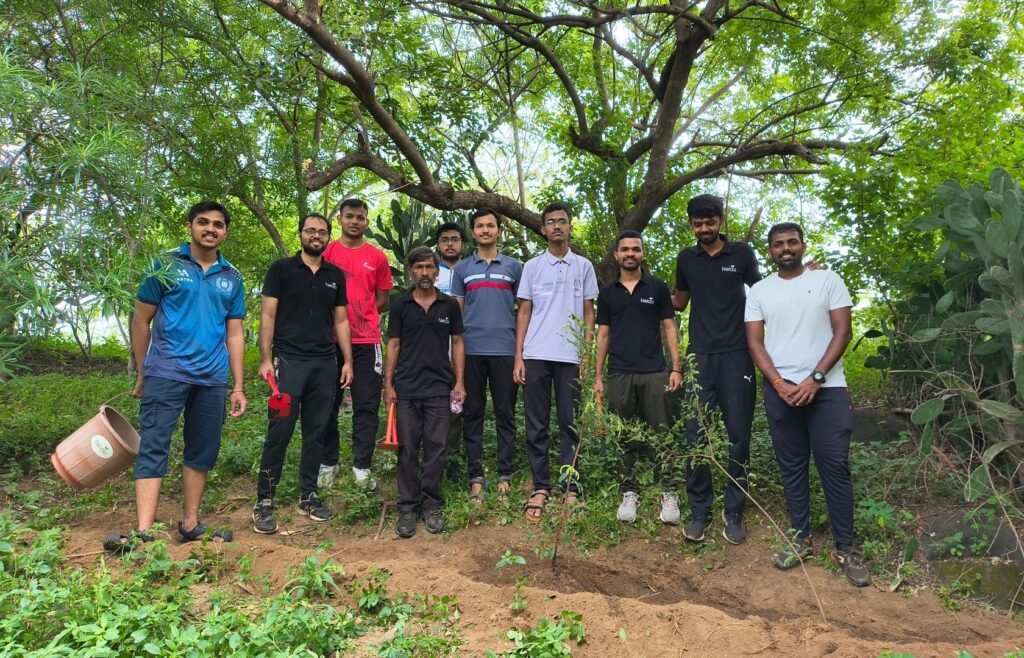
Nelda Foundation plays a hands-on role in reducing Urban Green Gaps by focusing on long-term outcomes, not short-term visibility.
The foundation works at the ground level, where real change happens, and treats tree plantation as an ongoing responsibility rather than a one-day activity.
Nelda Foundation addresses Urban Green Gaps by:
- Identifying high-impact urban zones: The foundation focuses on areas where lack of green cover contributes directly to heat stress, poor air quality, and reduced livability.
- Planning sustainable tree plantation: Nelda Foundation selects native, climate-suitable tree species and follows proper planting practices to improve survival and long-term growth.
- Ensuring post-plantation care: The team emphasizes watering, protection, and monitoring so saplings grow into healthy, shade-providing trees.
- Engaging local communities: By involving residents, housing societies, and volunteers, the foundation builds shared ownership and improves tree survival rates.
- Promoting awareness and responsibility: Nelda Foundation educates citizens about the importance of tree protection and long-term green stewardship.
Through consistent effort and community collaboration, Nelda Foundation helps convert neglected or heat-prone spaces into living green zones.
This approach steadily closes Urban Green Gaps and contributes to a cooler, healthier, and more resilient Pune.
Conclusion
Urban Green Gaps have gradually changed how Pune feels and functions. Rising heat, shrinking shade, and uneven green cover show the need for long-term action, not quick fixes.
The solution is simple and proven. Trees reduce heat, improve air quality, and restore everyday comfort when planted and cared for consistently.
Protecting existing trees and ensuring the survival of new ones is just as important as planting them.
Nelda Foundation addresses Urban Green Gaps through sustainable tree plantation and community involvement, helping restore balance across the city.
By choosing steady care over short-term efforts, Pune can grow greener, cooler, and healthier for everyone.
🌱 Join us in making Pune greener, cooler, and healthier!
Plant a tree today with Nelda Foundation. Become part of the movement reducing Urban Green Gaps, and feel the difference tomorrow.
FAQs
Q. What exactly are Urban Green Gaps?
Urban Green Gaps are areas lacking sufficient trees, parks, plants, and natural cover within a city. These gaps exacerbate heat islands and reduce air quality.
Q. How do Urban Green Gaps contribute to heat islands?
Without tree cover, heat gets absorbed and retained by urban infrastructure. Trees would otherwise shade areas and cool the air through evapotranspiration.
Q. What can tree plantation NGOs do?
NGOs like Nelda Foundation organize planting drives, community workshops, long-term tree care, and advocacy to increase urban green cover.
Written by Priyanka Velhal from Nelda Foundation.